Spanberger Data Center Plan Draws Fire From Both Parties Over Grid Reliability
Virginia Gov. Abigail Spanberger's Data Center Accountability Framework faces criticism that its limits on on-site natural gas generation could undermine grid reliability, with Republicans and some Democrats raising concerns about the plan's internal contradictions.
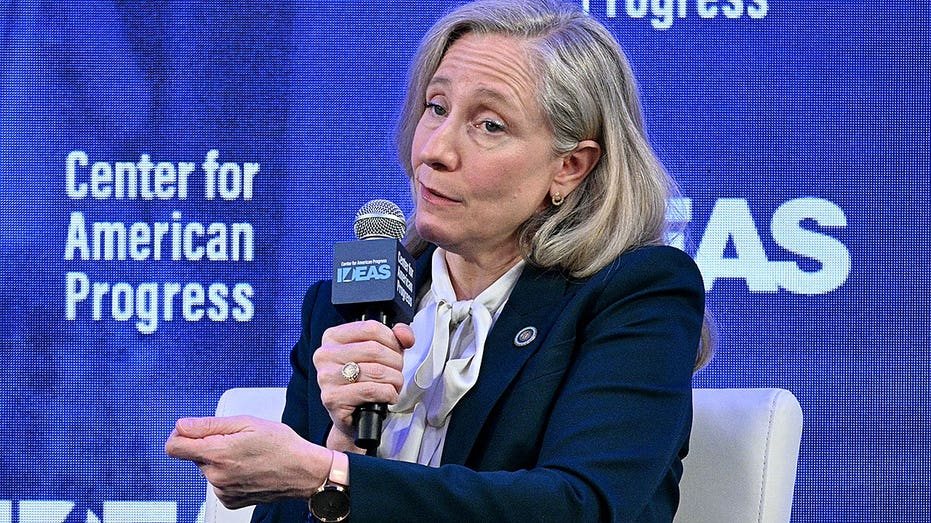
Virginia Gov. Abigail Spanberger's new data center plan is drawing criticism from both sides of the aisle over a key provision that critics say could undermine the state's already-stressed electric grid. The Data Center Accountability Framework, which calls for data centers to help stabilize the grid while limiting the amount of electricity they can generate from on-site natural gas, is being described as internally contradictory by opponents who warn it may make it harder for large facilities to add dependable power at a time when demand is surging.
Virginia House Minority Leader Terry Kilgore, R-Gate City, told Fox News Digital that while everyone recognizes the need for changes in how the state engages with data centers, the governor's proposal raises serious questions about whether it can actually work. Kilgore pointed to language in the plan stating that data centers should source their own clean power while simultaneously seeking to limit the amount of electricity they can generate from natural gas. The framework also calls for accelerated clean energy development and prioritizes grid access for data centers that invest in clean energy or further limit on-site natural gas generation. Facilities that fail to meet the governor's preferred energy standards could face higher taxes, according to Kilgore.
The stakes are particularly high in Northern Virginia, where data center electricity demand is outpacing the expansion of transmission lines and substations. In the region known as data center alley, officials are already working to stabilize the grid as an explosion in construction places massive sites among densely populated subdivisions. Restricting on-site natural gas generation could make it harder for large data centers to add reliable power at a time when the state is trying to balance grid stability with a transition toward cleaner energy sources.
A Spanberger spokesperson defended the plan as the most comprehensive and wide-ranging in the country, saying it aims to protect both Virginia residents and the commonwealth's natural beauty. The spokesperson noted that the framework ends secrecy around data centers by banning non-disclosure agreements and strengthening local approval processes. The spokesperson also said polling shows overwhelming support among Democrats and Republicans for holding data centers accountable, while criticizing the Trump administration for dismissing concerns about energy, water and land usage.
The debate unfolds against the backdrop of Virginia's state-mandated transition away from carbon-emitting electricity generation under the Virginia Clean Economy Act. That law generally requires the state's major utilities to retire their remaining in-state carbon-emitting generating units by the end of 2045, though it allows utilities to seek relief if compliance would threaten reliability or security of electric service. Spanberger's framework would push qualifying data centers further in that direction, limiting on-site natural gas generation while prioritizing grid access for facilities that invest in clean energy, reduce backup generator emissions and further restrict their reliance on natural gas.
Senate Minority Leader Ryan McDougle, R-Hanover, said he was glad the governor is finally talking about high power bills and data centers, noting that Virginians already are. He called it a nonpartisan issue but echoed Kilgore's concern about the plan's energy-generation dynamics amid looming zero-emissions requirements. McDougle said the laws raising electric bills, including the tax on carbon, the Virginia Clean Economy Act and solar mandates, should be repealed, and that companies building data centers should pay their own costs.
Some top Democrats also criticized the governor's plan. Senate President Pro-Tem L. Louise Lucas told Richmond's ABC affiliate that the governor is finally feeling the heat but still ignoring the fire. Lucas, of Portsmouth, said the framework wrongly ignored the need to end tax exemptions for the centers. The criticism from within Spanberger's own party underscores the political sensitivity of balancing data center growth with energy reliability and consumer costs.
Spanberger's plan can still allow data centers to construct on-site power because the framework only restricts the use of that power. She also signed a bill by Del. Rip Sullivan, D-Great Falls, that sharply increased Virginia's goals for energy storage, including a target of 1,600 megawatts of storage capacity at homes and businesses. The debate comes as other states grapple with similar challenges, with Texas Gov. Greg Abbott effectively pausing new data center projects pending a statewide grid audit.
4