Senate Advances Jay Clayton for Top Intelligence Post as Anti-Terror Program Stalls
The Senate voted 51-43 to advance former SEC chair Jay Clayton to be director of national intelligence, with a final confirmation vote expected soon. The move comes as the critical Section 702 FISA anti-terror surveillance program remains in limbo after acting DNI Bill Pulte's appointment and layoffs angered Democrats.
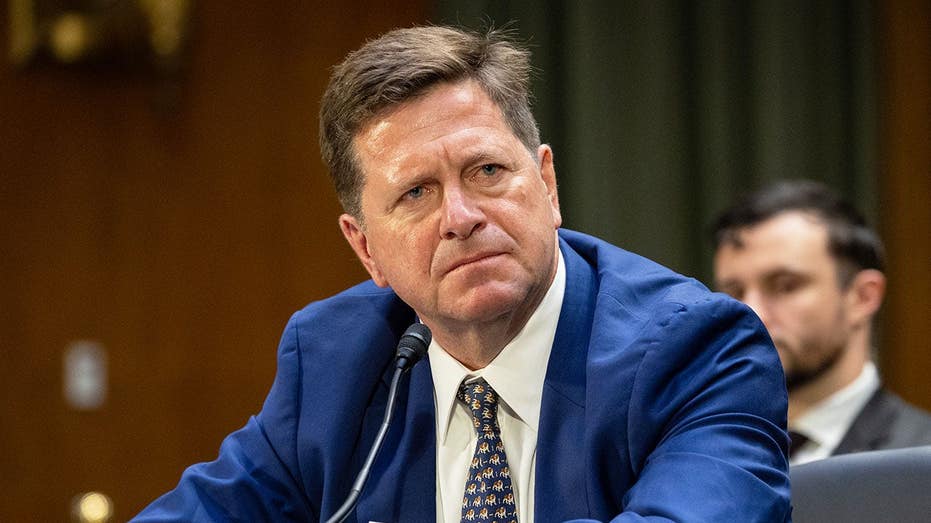
The Senate on Monday cleared a key procedural hurdle for President Donald Trump's nominee to lead the nation's intelligence agencies, bringing the chamber closer to confirming a new director of national intelligence even as a vital counterterrorism surveillance program remains stalled. Jay Clayton, the former Securities and Exchange Commission chairman under Trump, advanced on a largely party-line vote of 51 to 43, setting up a final confirmation vote as early as Tuesday.
Clayton's nomination had been held up for weeks amid partisan disputes over the acting director, Bill Pulte, and the future of Section 702 of the Foreign Intelligence Surveillance Act, a powerful tool used to monitor foreign communications that intelligence officials say is critical for preventing terrorist attacks. The program has been gradually going dark after its authorization expired, leaving new surveillance requests in legal limbo.
Senate Majority Leader John Thune, Republican of South Dakota, urged Democrats to back Clayton, arguing the nominee is well qualified and that delaying his confirmation has endangered national security. "One might think that we'd be seeing some bipartisanship from Democrats on this nominee," Thune said on the floor. "But Democrats are playing the same partisan games with this qualified nominee as they have for so many of President Trump's picks." Thune also accused Democrats of forcing the Section 702 program to lapse by refusing to cooperate while Pulte was acting director.
Democrats have sharply criticized Pulte, who was installed by Trump after former DNI Tulsi Gabbard resigned to care for her cancer-stricken husband. They accused Pulte of being an unqualified loyalist intent on weaponizing the intelligence community and dismantling the Office of the Director of National Intelligence. Less than 24 hours before Clayton's procedural vote, Pulte announced on social media that he had completed a fourth round of layoffs at ODNI, saying his team had been "smartly, and carefully, reducing the size of ODNI, re-focusing ODNI on national security, the law, and the statute."
The layoffs and Pulte's tenure prompted Senate Democrats to walk away from a bipartisan deal that would have reauthorized Section 702, which was set to expire. The program has been used to thwart multiple terrorist plots, including a planned mass-casualty attack at a Taylor Swift concert in Vienna, Austria. Intelligence officials have warned that allowing the tool to lapse puts the country at greater risk, especially with major international events such as the World Cup approaching.
Clayton, who previously chaired the SEC during Trump's first term, narrowly advanced out of the Senate Intelligence Committee on a 9-8 vote last week, with only Republicans supporting him. During his confirmation hearings, Clayton faced tough questioning from Democrats on several issues, including his views on the 2020 election results, his knowledge of Gabbard's controversial raid on Fulton County, Georgia, election offices, and subpoenas he issued against New York Times reporters while serving as the top federal prosecutor in the Southern District of New York. Those subpoenas were voluntarily withdrawn by the Justice Department last week, two days after Clayton was confirmed by the committee.
If confirmed, Clayton will take over the Office of the Director of National Intelligence from Pulte, and restore a permanent leader to the position after weeks of interim management. His confirmation is expected to restart negotiations on reauthorizing Section 702, though the partisan divide over the program and the acting director's actions may complicate any deal. Senate leaders have indicated they will push for a quick vote on the surveillance bill once Clayton is in place.
The vote on Clayton's confirmation is scheduled for Tuesday, and Republican leaders expect it to fall largely along party lines, with a few Democrats potentially crossing the aisle. Thune expressed confidence that the nominee would be confirmed, saying it was time to move past the stalemate and provide the intelligence community with stable leadership.