Republicans Launch Summer Campaign to Cast Democrats as Far-Left
House Republicans are using the summer break to educate voters about Democratic candidates they label as the 'commie caucus,' hoping to hold their narrow majority by tying opponents to far-left policies and forcing uncomfortable votes on issues like voter ID and Iran.
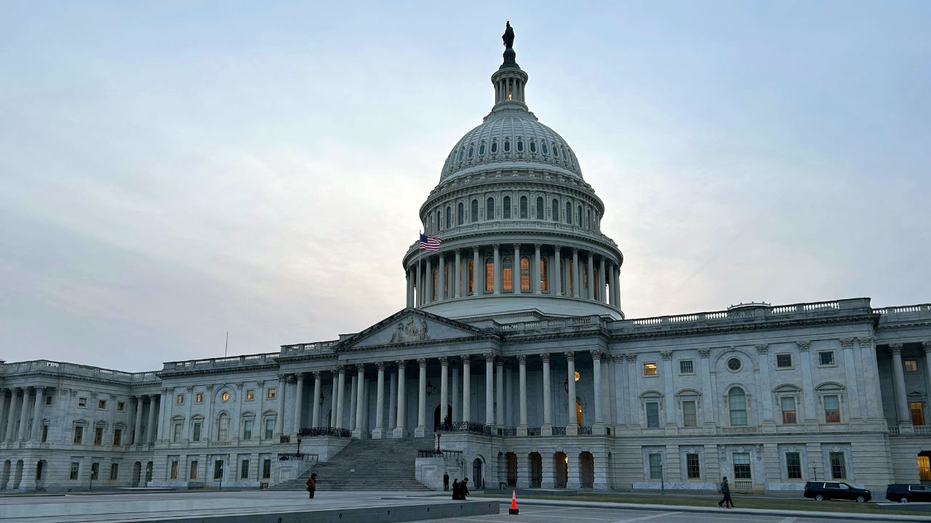
House Republicans have begun a summer-long campaign to reshape the political narrative ahead of the November midterms, framing their Democratic opponents as members of a “commie caucus” that is out of step with mainstream America. With the House on recess until August 31, GOP leaders are urging their members to spend the break engaging constituents on what they see as a clear ideological divide.
“The contrast on the ballot this November between communism and freedom,” House Majority Leader Steve Scalise of Louisiana said, summarizing the party’s message. Representative Nicole Malliotakis of New York put it more bluntly, warning that “the communist caucus, the commie caucus is coming to Congress.”
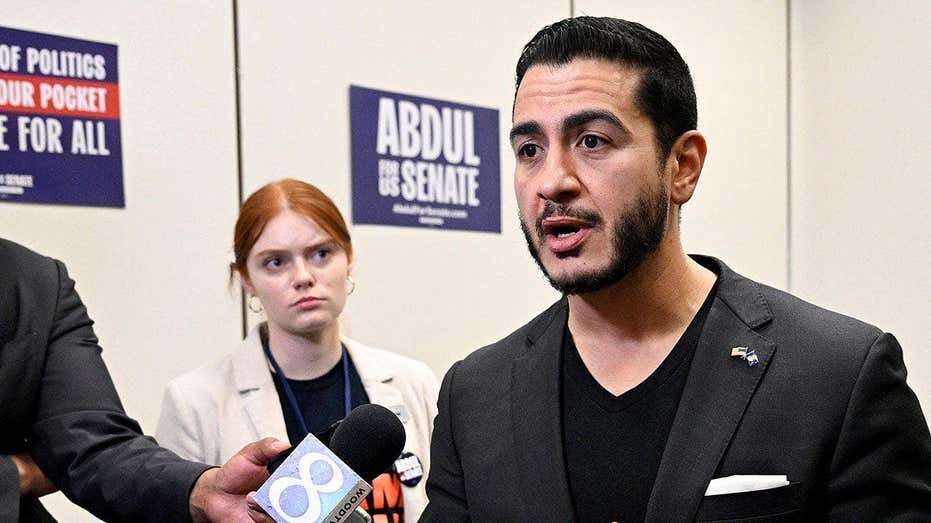
Republicans currently hold a razor-thin majority in the House and are seeking to protect it by highlighting Democratic candidates who have been endorsed by the Democratic Socialists of America or who hold progressive positions that the GOP believes will alienate independent and moderate voters. Party strategists argue that these candidates are likely to win their primaries in safely Democratic districts, but that their presence on the general-election ballot will energize Republican voters and push swing voters toward the GOP.
During the final week before recess, the House advanced several priority bills and forced Democrats to take recorded votes on issues that Republicans plan to use in campaign ads. Speaker Mike Johnson of Louisiana pointed to votes against funding for the military, against government funding, and against voter ID requirements as examples of what he called “common sense policies” that Democrats opposed. “They have to answer for why they voted against funding our troops, against funding the government, against common sense policies like voter ID and proof of citizenship,” Johnson said.
One such vote was on a bill to ban stock trading by members of Congress. The measure passed 232–198, with only 13 Democrats supporting it while all Republicans voted in favor. However, the bill included a voter ID mandate, which Democrats called a poison pill designed to turn a bipartisan issue into a political wedge. Representative Alexandria Ocasio-Cortez of New York said, “I proudly voted no because we are not going to sabotage mail-in voting in this country. And we're not going to fall for that kind of bait-and-switch tactic here.”
Beyond domestic policy, the Iran conflict has emerged as a central campaign theme. The House voted last week to restrict President Trump’s war powers in Iran, with four Republicans breaking ranks to join Democrats. The Senate later rejected that measure, highlighting a split between the two chambers. Republican leaders argued that the president’s military action was necessary and effective. Senator Tim Sheehy of Montana said, “Last time I checked, we've wiped these b------s out. An occasional missile strike and boats in the Strait of Hormuz. That's not military strength. Those are the flailings of a failing empire.”
Democrats have seized on the war as a political issue, accusing President Trump of breaking his promise to end overseas conflicts. Senate Minority Leader Chuck Schumer of New York criticized Republicans for not intervening. “Every time Republicans oppose our war powers resolution and vote against ending this war, they lose the faith of the American people,” Schumer said. “Senate Republicans need to wake up. Not next week. Not next month. Now.”
Yet Democrats themselves have struggled to articulate a clear endgame. When asked by reporters what their plan would be if they won the majority, House Minority Leader Hakeem Jeffries of New York acknowledged the difficulty: “We've got to figure that out. But Donald Trump got us into this mess.” Senator Chris Coons of Delaware similarly avoided specifics, offering no concrete alternative strategy.
Some Republicans, including Representative Chip Roy of Texas, have also called for greater congressional oversight. “I think we need greater clarity there. I think Congress needs to exercise more of its powers here,” Roy said, reflecting a faction within the GOP that wants a defined exit strategy. But Speaker Johnson dismissed the need for a formal authorization for use of military force, stating, “I don't think an AUMF is in order right now. I think we need to bring this to a resolution.”
As the campaign season intensifies, both parties are sharpening their messages. Republicans hope to keep voters focused on what they describe as the radical leftward drift of the Democratic Party, while Democrats are betting that the economy and the unpopularity of the Iran war will swing independents their way. With control of the House hanging in the balance, the summer break is set to be anything but quiet.