Newsom pitches faster wildfire payouts, but you’d lose your right to sue
California Gov. Gavin Newsom is pushing a last-minute plan to speed up wildfire compensation for survivors while limiting utility liability, drawing criticism from victims and insurers.
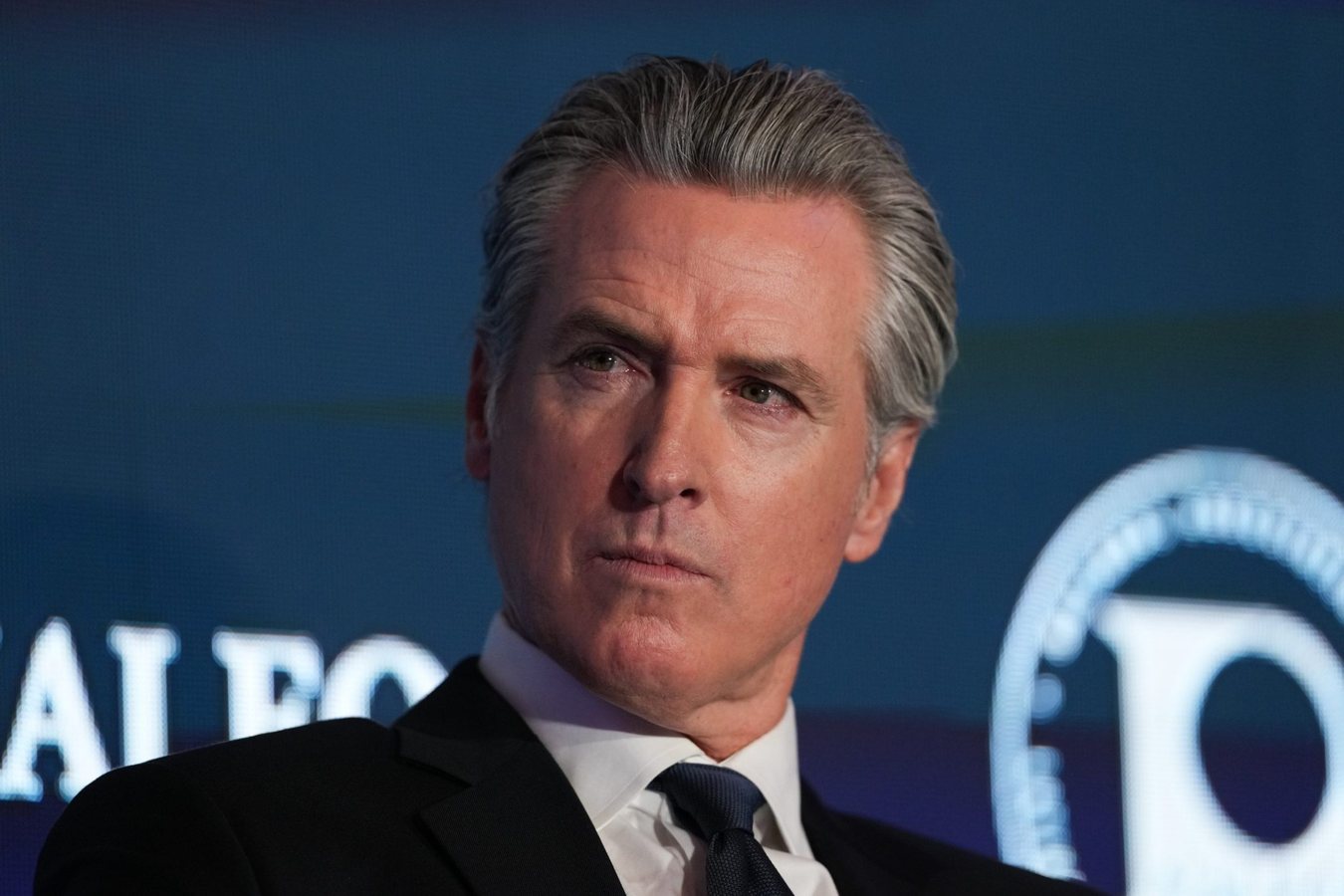
California Gov. Gavin Newsom is making a final legislative push to overhaul how the state handles wildfire damages, proposing faster payouts for survivors in exchange for limits on what utilities must pay. The plan, brokered in the closing days of the legislative session, aims to shield electric and gas companies from financial ruin while stabilizing some of the nation’s highest electricity rates.
The proposal comes as Southern California Edison faces claims from the state’s second-most destructive blaze, a 2025 fire that killed 19 people outside Los Angeles. Investigators ruled this month that the fire was sparked by one of the company’s transmission towers. Newsom’s tenure has been bookended by the question of who should cover the cost of utility-caused wildfires, beginning with the 2018 Camp Fire, which killed 85 people and destroyed more than 18,000 buildings two days after he won the governorship. Pacific Gas & Electric equipment caused that fire, and the utility filed for bankruptcy weeks after Newsom’s inauguration.
Newsom says the state must act quickly because the $21 billion wildfire fund, created by a law he signed months after taking office, is expected to run out soon. The fund, paid for by utility shareholders and ratepayers, was designed to help utilities pay for damages if they take certain safety measures. Under the new plan, survivors would receive payments from utilities sooner, but they would lose certain legal rights, including the ability to sue for additional damages.
“Status quo is not going to work,” Newsom recently told reporters. “It’s not going to work for victims, who consistently are last in line. And that’s at the core of this reform.”
But fire survivors are pushing back, saying the plan prioritizes utilities over their needs. Joy Chen, executive director of Every Fire Survivor’s Network, a group of survivors of the 2025 Los Angeles-area fires, blasted the proposal at a virtual town hall this month. “This is overall a massive transfer of liability for the three for-profit utility monopolies that have continued to burn down communities across California,” Chen said.
Insurance companies are also concerned they would foot more of the bill for property damage. Under current law, home insurers that pay for policyholders’ rebuilding expenses can try to get reimbursed by utilities. Newsom’s plan would shift more of that cost onto insurers. The Personal Insurance Federation of California, a group representing property insurers across the state, said insurance rates will increase if the plan is implemented. “Being responsible for your actions is something that parents tell children,” said Rex Frazier, the federation’s president, in a statement. “Hopefully the Legislature will tell this to the utilities.”
The proposal would also require utility CEOs to forfeit bonuses if their company sparks a wildfire resulting in more than $1 billion in damage, and utility shareholders could be fined up to $10 million for violating wildfire prevention requirements, according to the governor’s office, which has not released full details. A coalition including the state’s major utilities — PG&E, Southern California Edison, and San Diego Gas & Electric — has been urging lawmakers to pass the plan.
The California Professional Firefighters sent a letter to Newsom on Monday expressing support for the proposal. “The stability of the state’s utilities, insurance plans, and recovery funds must all be balanced with ensuring that wildfire victims and impacted communities are able to recover and rebuild,” the union wrote.
The Legislature has until Aug. 31 to pass a plan. If they don’t, Newsom could call them back for a special session. Democratic legislative leaders say the state needs to address the issue but haven’t specified what a deal could include. Newsom proposed another $18 billion last year to supplement the wildfire fund, which the Legislature approved.
Meredith Fowlie, an economist who co-directs an energy institute at the University of California, Berkeley, said the state should rethink how to distribute the ballooning costs of recovering from climate-fueled blazes. “Utilities can start fires, but they don’t by themselves create catastrophe,” Fowlie said. Other factors, such as failing to clear vegetation or upgrade homes to make them more fire-resistant, also turn wildfires into disasters, she said. The question of who should be held responsible — and by how much — is “a critical, core issue that we have not dealt with and is not going away,” Fowlie said.
107