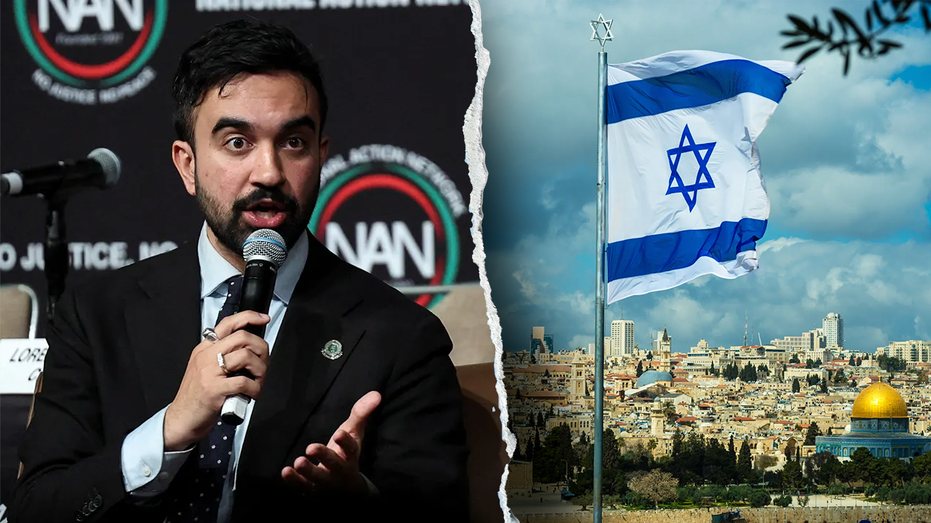
New York City Mayor Zohran Mamdani, elected to address local challenges such as the affordability crisis, subway safety, and public school quality, has instead drawn sharp criticism for making Israel a central focus of his administration. Critics argue that his early actions, including a push to arrest Israeli Prime Minister Benjamin Netanyahu and the revocation of a widely recognized antisemitism definition, signal misplaced priorities that neglect the needs of New Yorkers.
Mamdani, a self-described socialist, has publicly declared his intention to seek Netanyahu's arrest if the Israeli leader visits New York for the United Nations General Assembly, despite admitting he lacks legal authority to do so. This stance, which has no direct impact on city governance, has been described by opponents as an obsession with foreign policy over local governance. The mayor's office has explored the feasibility of such an arrest, but legal experts note that mayors have no role in international criminal law or U.S. foreign policy.
Among Mamdani's earliest administrative moves was revoking New York City's adoption of the International Holocaust Remembrance Alliance's working definition of antisemitism. Supporters argue the definition could stifle legitimate criticism of Israel, but critics, including many Jewish New Yorkers, view the decision as a retreat from combating rising antisemitism at a time when hate crimes against Jews are increasing. The city also rolled back an executive order that prevented discrimination against Israel and Israeli-linked businesses in municipal contracting, further fueling concerns about the administration's stance.
Reports that the administration's international affairs office planned a meeting with Iran's ambassador to the United Nations, later abandoned, have added to the controversy. Mamdani stated he did not approve the meeting and called it a mistake, but the episode has raised questions about the administration's willingness to engage with regimes hostile to Israel while targeting its elected leader. Critics see a pattern of prioritizing Israel-related issues over pressing local concerns.
Mamdani's political identity is rooted in movements like the Democratic Socialists of America and the "Squad," which have increasingly made hostility toward Israel a defining cause. Observers note that this focus on Israel, often to the exclusion of other international conflicts, has become a recurring theme in his administration. For many Jewish New Yorkers, who constitute the largest Jewish community outside Israel, these actions are not abstract political debates but deeply personal, affecting their sense of safety and belonging in the city.
Exit polling suggests that most Jewish voters supported Andrew Cuomo in the election, but a meaningful minority, particularly younger and more progressive Jews, backed Mamdani. Some voters prioritized affordability and assumed campaign rhetoric would give way to pragmatic governance, but early months of the administration suggest otherwise. Critics argue that the mayor's focus on Israel distracts from urgent city issues such as housing, sanitation, and crime, leaving many New Yorkers feeling neglected.
The controversy highlights broader tensions in New York City politics, where local leaders are increasingly drawn into international debates. As Mamdani continues to navigate these issues, the question remains whether his administration can balance its foreign policy interests with the everyday needs of the city's diverse population. For now, the mayor's critics contend that New Yorkers deserve a leader who puts the city first, not one who reserves his greatest passion for litigating the legitimacy of a foreign nation.