Iranian president admits US sanctions are suffocating Tehran: «We are in a war situation»
Iranian President Masoud Pezeshkian acknowledged that American economic sanctions are strangling the country, describing the situation as a war. The admission comes as annual inflation reached 66 percent and Supreme Leader Ayatollah Mojtaba Khamenei urged the government to take control.
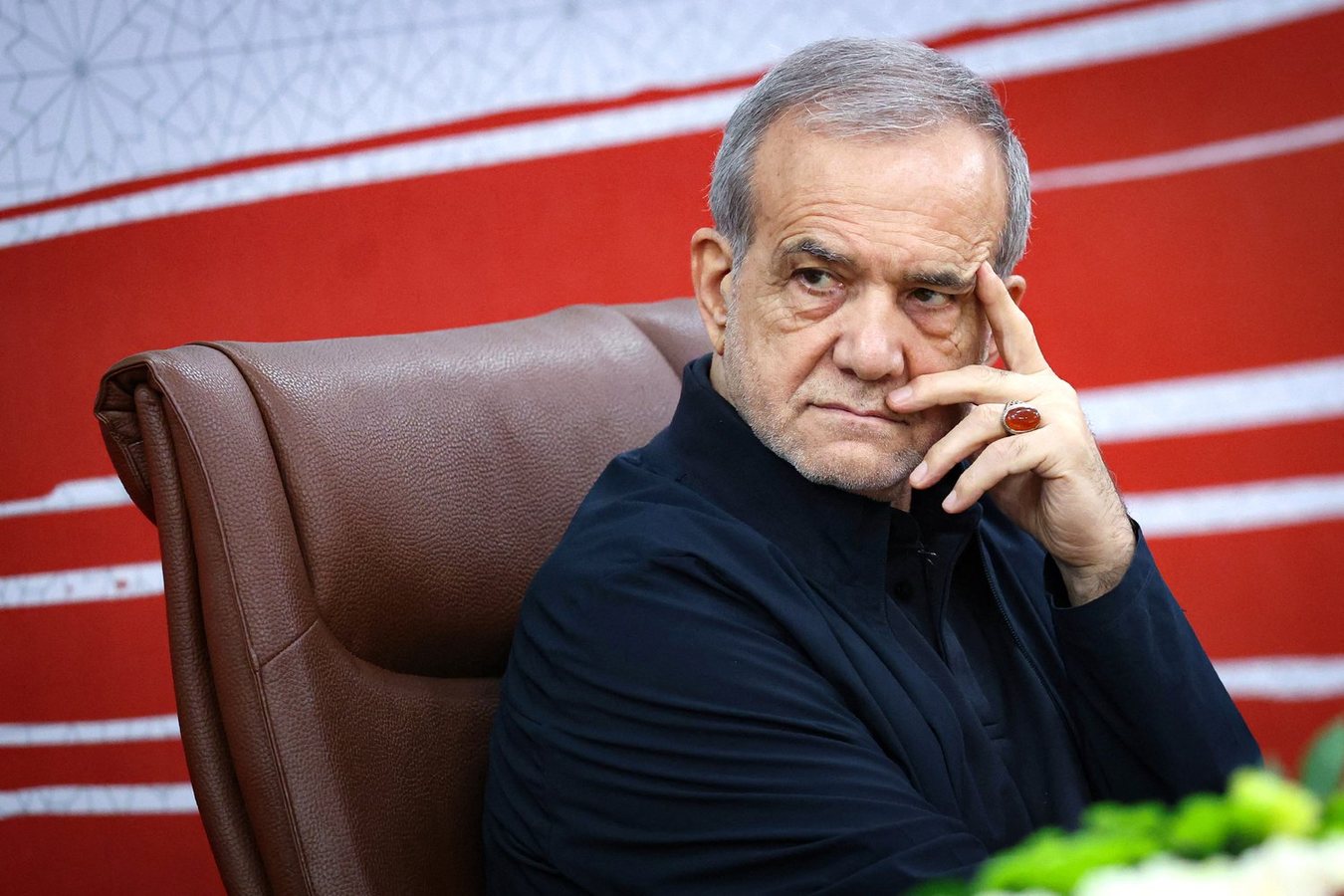
Iranian President Masoud Pezeshkian has acknowledged that American economic sanctions are suffocating the country, describing the current conditions as «a war situation» in a rare public admission of the pressure Tehran is facing. The remarks, reported Friday, mark one of the most direct official acknowledgments of the toll that the US pressure campaign has taken on Iran's economy.
Pezeshkian's comments come as Iran grapples with an annual inflation rate that hit 66 percent last month, a figure that has fueled public frustration and placed the government under mounting pressure to respond. The president's admission reflects the deepening economic crisis gripping the country, where basic goods have become increasingly unaffordable for ordinary citizens and the value of the national currency has continued to slide.
Supreme Leader Ayatollah Mojtaba Khamenei has also weighed in on the crisis, calling on the government to take control of the situation. His intervention underscores the severity of the economic challenges facing Iran, as the leadership seeks to manage the fallout from sanctions that have targeted the country's oil exports, banking sector, and access to international financial systems.
The sanctions, reimposed and tightened by the United States in recent years, have severed much of Iran's access to global markets and dramatically reduced its oil revenues, a critical source of state income. The resulting economic strain has triggered waves of protests in previous years and continues to shape domestic politics, with hardliners and reformists offering competing visions for how to respond to Western pressure.
Pezeshkian, who has positioned himself as a pragmatic figure willing to engage with the international community, has reportedly used the economic crisis to press for renewed talks with the West. His approach has created friction with factions within Iran's political establishment that oppose negotiations with Washington, viewing them as a concession to American pressure.
In a related development, Khamenei has ordered Iran's political factions to stop fighting among themselves, urging unity in the face of external challenges. The supreme leader has also called for reducing reliance on the US dollar in Iran's trade relationships, a move aimed at insulating the economy from the impact of American financial sanctions.
The economic data paints a grim picture for Iranian households. With inflation running at 66 percent annually, food prices and housing costs have surged, eroding purchasing power and pushing more families below the poverty line. Economists tracking Iran's economy note that the sanctions have compounded structural problems, including corruption, mismanagement, and years of underinvestment in productive sectors.
Iran's leadership faces a delicate balancing act as it navigates the crisis. While officials publicly blame the United States for the country's economic woes, the admission by Pezeshkian that Iran is in «a war situation» signals a recognition that the current trajectory is unsustainable. The question now is whether Tehran will seek a diplomatic path to relief or double down on resistance, a choice that will shape the country's economic future and its relations with the international community.
85