Hungary Elects András Baka President in a Sharp Break With the Orbán Era
Parliament chose the former Supreme Court chief by 140 votes to six. Baka, whose early removal from the court led to a major European human-rights ruling, is due to take office Aug. 19.
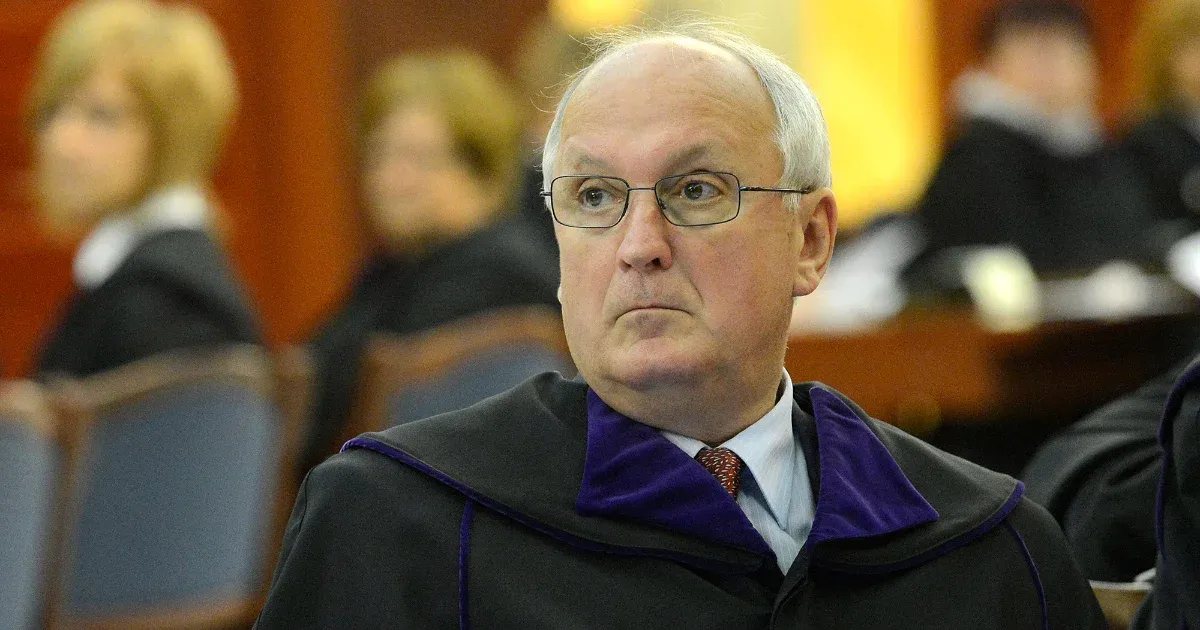
Hungary’s Parliament elected András Baka president on Aug. 11, elevating a former Supreme Court chief whose clash with Viktor Orbán’s judicial reforms became a prominent European rule-of-law case. Baka received 140 of the 146 ballots cast, with six votes against. He is expected to be sworn in on Aug. 19.
The presidency is largely ceremonial, but the choice carries unusual political weight. Baka is not simply a retired jurist selected for a consensus role. His career was interrupted by institutional changes made during the early Orbán period, and the circumstances of his removal later produced a major judgment at the European Court of Human Rights.
Before entering Hungary’s senior judiciary, Baka spent many years as a judge at the Strasbourg court. Parliament elected him president of the Supreme Court in 2009. He later criticized parts of the government’s overhaul of the judiciary and publicly raised concerns about judicial independence.
When Hungary replaced the Supreme Court with the Kúria and rewrote rules governing the top judicial post, Baka’s six-year term ended early. He challenged the outcome. In 2016, the Grand Chamber of the European Court of Human Rights found violations of the European Convention in Baka v. Hungary, including issues tied to his access to a tribunal and freedom of expression.
The case became a reference point in debates over whether a parliamentary supermajority can redesign institutions in ways that remove officials who publicly challenge government policy. Fifteen years later, the political landscape is reversed.
Péter Magyar’s Tisza party won a two-thirds majority in the April 12 election, ending Orbán’s 16-year run as prime minister. Magyar’s government has moved quickly to reshape institutions built or staffed during the Fidesz era. President Tamás Sulyok left office after a constitutional process advanced by the new majority in July.
Baka’s election therefore has an unmistakable symbolic dimension. A jurist removed from the top of the judiciary during Orbán’s rule will now occupy the country’s highest state office after Orbán’s electoral defeat. Tisza presents the wider reset as an effort to restore democratic checks. Fidesz argues the new majority is using its constitutional strength too aggressively and boycotted the presidential vote.
Baka tried to frame his own role differently after the result. He spoke about a neutral presidency, healing political divisions and avoiding revenge. He also emphasized Hungary’s European identity. Those themes matter because the new president’s credibility is tied to the idea that institutions should not depend on loyalty to whichever party holds a supermajority.
The central test will come after the ceremony. Hungary’s president has a role in the legislative process even though executive power rests with the prime minister and Cabinet. As Tisza continues rewriting parts of the post-Orbán order, Baka may be asked to assess measures advanced by the same political majority that elected him. His swearing-in on Aug. 19 will close the dramatic chapter of his return and open the harder question of whether he can act as an independent constitutional check.
70