Federal judge blocks Trump administration from deporting students over Israel criticism
A federal judge in California ruled the Trump administration cannot deport noncitizen college students for speech supporting Palestinians or criticizing Israel, citing First Amendment protections.
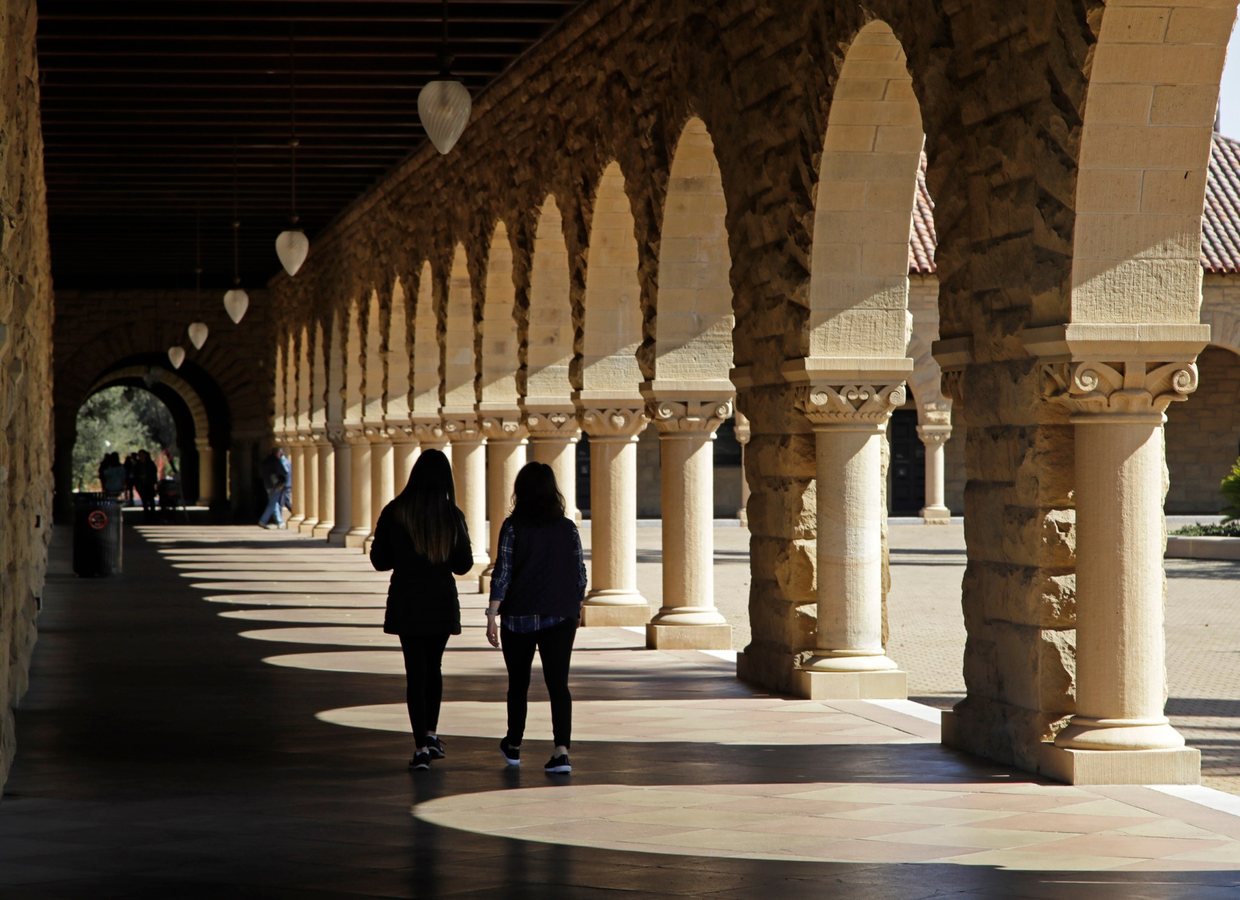
A federal judge in California ruled that the Trump administration cannot deport noncitizen college students for expressing views critical of Israel or supportive of Palestinians, delivering a significant victory for free speech advocates and student journalists.
Judge Noël Wise of the U.S. District Court in San Jose issued the ruling Friday, striking down portions of federal deportation provisions on grounds that they violate the First and Fifth Amendments. The decision came in a lawsuit brought by The Stanford Daily, Stanford University's student newspaper, which argued that international students were afraid to speak out because of the threat of deportation.
“Freedom of speech is illusory if we are only ‘free’ to express complementary views about the government and its leaders,” Wise wrote in her decision. She added that the freedoms of speech and the press are “foundational to America’s enduring democracy.”
The ruling largely builds on findings from a federal judge in Boston nearly a year ago, who determined that the Trump administration violated the Constitution when it targeted noncitizens for deportation solely for supporting Palestinians or criticizing Israel. Wise cited retaliation by U.S. immigration authorities in March 2025 against people who engaged in speech supporting Palestinians, as well as retaliation against those critical of Charlie Kirk, the Turning Point USA co-founder who was assassinated last September.
“Tomorrow, or perhaps even today, targets may include anyone in the United States who exercises their freedom of speech to simply express opinions the government does not like,” Wise said. “This downward spiral is antithetical to our Constitution that recognizes our right to speak freely.”
The judge noted that the government’s tactics have had a chilling effect on college campuses. “The government has offered a chilling message regarding protected speech — speak out against Israel or in support of Palestinians and we will revoke your visa and deport you. Behave. Noncitizen students heard the warning and heeded. And, as the idiom goes, the silence is deafening,” she wrote.
At The Stanford Daily, lawfully present noncitizens have quit, withheld articles, refused assignments, requested articles be taken down, and asked for anonymity due to fear of adverse immigration consequences, Wise noted. She emphasized that noncitizens have the same First Amendment rights as citizens and should not be left to guess what U.S. foreign policy is at any given moment.
“This is an incomprehensible standard,” Wise said. “While the Court understands that the government has been granted considerable discretion on foreign policy and immigration matters, that discretion must nevertheless still ensure that ordinary people can understand what the law permits and prohibits.”
George Porteous, editor-in-chief of The Stanford Daily, responded to the ruling on X: “The reporters in our newsroom shouldn’t have to fear that writing a story will result in their deportation. Today’s victory means they won’t have to.”
Conor Fitzpatrick, an attorney with the Foundation for Individual Rights and Expression, which brought the lawsuit, praised the decision. “In America, free speech doesn’t just belong to the people who say things the government agrees with,” Fitzpatrick said in a statement.
The Justice Department did not respond to a request for comment on the decision. The ruling represents a notable check on the administration’s immigration enforcement policies as they intersect with constitutional protections for speech and press.
63