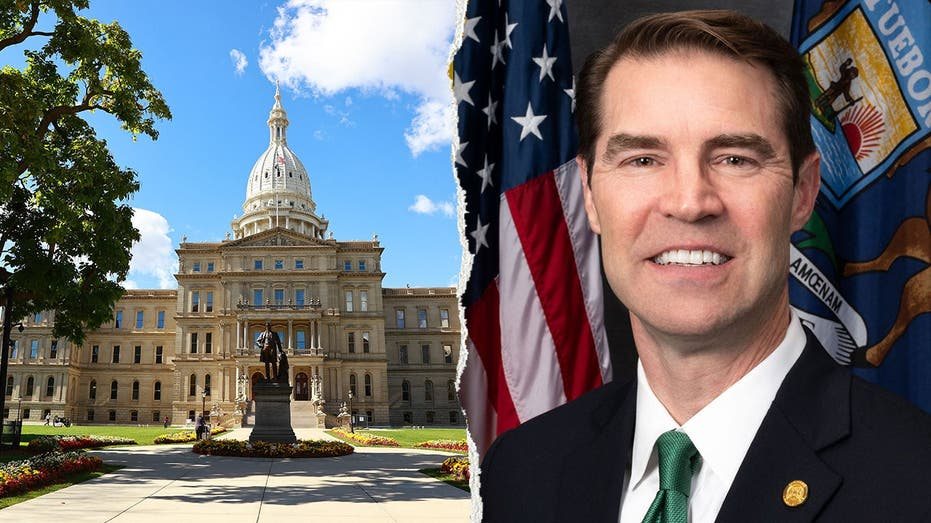
Sean McCann, a Democratic candidate for Michigan's 4th Congressional District, has accepted at least $57,600 in campaign contributions from energy groups while supporting Green New Deal policies that critics say would increase utility costs for residents. The contributions, detailed in Federal Election Commission records, come from DTE Energy PAC and CMS Energy Corporation Employees for Better Government, both major energy players in the state. McCann also received at least $560 in food and beverages from energy lobbyists since 2021.
McCann, who previously served as a Kalamazoo city commissioner, Michigan state representative, and state senator, chaired the Senate Energy and Environment Committee during his tenure. In that role, he supported SB 271 of 2023, a bill dubbed Michigan's "Green New Deal" by Republican critics. The legislation, signed into law by Governor Gretchen Whitmer, mandates that utility companies achieve a 50% renewable energy portfolio by 2030 and a 100% clean energy standard by 2040.
The Mackinac Center for Public Policy, a free-market think tank, projected that the plan would cost Michigan residents $386 billion by 2050, translating to an average annual increase of $2,746 per customer, or an additional $228.83 on monthly utility bills. The center also warned of increased blackout risks, with a potential 61-hour continuous outage during winter months. DTE Energy, which provides power to millions of Michigan customers, describes itself as an active participant in the political process, supporting policies that promote sustainable, reliable, affordable, and safe energy. The company did not respond to requests for comment on whether it stood to benefit from the plan.
McCann praised the bill's passage as a key environmental achievement, stating, "These policies will safeguard public health and better protect our environment now and for future generations." However, during the same period, he voted against an amendment to SB 502 that would have prevented utility companies from raising electric rates on residential customers until 2040. This voting record has drawn criticism from opponents who argue that McCann's actions contradict his stated goals of protecting consumers.
McCann's campaign responded by pointing to his opponent, incumbent Republican Representative Bill Huizenga, who has received even larger contributions from DTE Energy. According to FEC records, Huizenga has accepted $80,500 from DTE since 2010, along with additional funds to his joint leadership fund and PAC totaling $28,500. "Bill Huizenga cashed more than $250,000 from utility companies and then voted to jack up our energy prices – and like the typical politician Huizenga is, he's now trying to cover up his own corrupt record by lying about Sean," said Simon Archer-Krauss, a campaign spokesperson.
McCann has not yet secured the Democratic nomination for the November general election. Michigan's primary elections are scheduled for August 4, and he faces a challenging race against Huizenga in a district that has leaned Republican in recent cycles. The controversy over energy donations and policy positions is likely to remain a central issue as the campaign progresses, with both candidates trading accusations over their ties to utility companies.
The debate over energy policy in Michigan reflects broader national tensions between environmental goals and economic concerns. Supporters of the clean energy mandate argue that it will reduce carbon emissions and create jobs in renewable sectors, while critics warn of higher costs and reliability issues. McCann's record highlights the delicate balance lawmakers must strike between accepting campaign contributions from industry stakeholders and advocating for policies that may impact those same donors.
As the primary approaches, McCann will need to address these questions directly with voters, particularly in a district where energy costs are a pressing concern. The outcome of this race could have implications for federal energy policy, especially if McCann wins and brings his experience from state-level environmental legislation to Congress.