Arizona Governor Katie Hobbs Set to Name Republican John Giles as Running Mate
Arizona Gov. Katie Hobbs is expected to pick Mesa Mayor John Giles, a Republican, as her running mate in an unusual cross-party bid for the 2026 election.
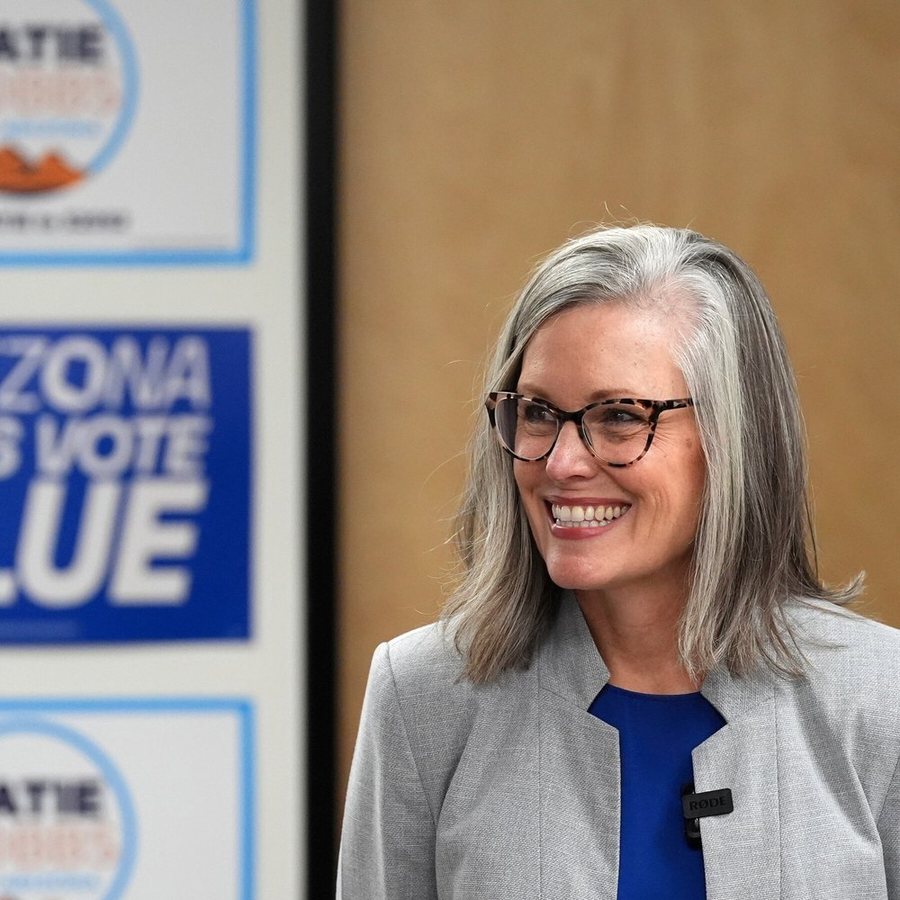
Arizona Governor Katie Hobbs is preparing to select a Republican as her running mate, a striking bipartisan move in one of the country's most closely watched election contests. Multiple reports indicate that Hobbs is set to choose John Giles, the mayor of Mesa, as her lieutenant governor candidate on the 2026 Democratic ticket.
The anticipated announcement comes weeks after primary voting ended in the state, and it signals an intentional effort by Hobbs to appeal to moderate voters in a state where independent and suburban voters often decide statewide races. Giles, a Republican who has previously broken with his party on high-profile issues, is broadly viewed as a natural partner for Hobbs, who has governed Arizona since winning the governor's office in 2022.
Giles has been a vocal critic of some directions taken by conservative leaders in Arizona, including on issues related to election administration and abortion policy. His willingness to publicly disagree with his party's mainstream has earned him attention beyond Mesa's city limits. In his nearly decade-long tenure as mayor, Giles has been involved in efforts around economic development, water policy, and infrastructure, while also becoming one of the more recognizable Republican elected officials in the state to express openness toward working with Democrats.
The selection of a Republican running mate carries significant political weight for Hobbs. Arizona is one of the states that elects a governor and lieutenant governor on a joint ticket, meaning voters casting a ballot for Hobbs would also be voting for Giles as her declared running mate. In practical terms, Hobbs could have picked a Democratic ally, but the choice of a Republican is seen by political observers as an unusual and calculated signal aimed at broadening her coalition.
Reports of the decision surfaced ahead of any formal confirmation from the governor's office. Neither Hobbs nor Giles had publicly confirmed the arrangement as of the latest reports, and aides to the governor have not released an official statement about the selection. The governor's team has signaled that an announcement may come in the days ahead, in time for the general election campaign now fully underway.
If confirmed formally, the pairing would give Arizona voters one of the more unusual statewide joint tickets in recent memory, with a Democratic governor running for re-election alongside a Republican mayor. The arrangement is legally possible under Arizona election law, which allows a candidate for governor to name a running mate of a different party affiliation for the lieutenant governor position.
For the Republican Party in Arizona, the decision creates a complicated dynamic. State Republican leaders are preparing to run a full slate of candidates against Hobbs, and having a current Republican mayor appear on the Democratic ticket complicates the party's uniform message. Some Republican elected officials have already criticized the move, arguing that Giles is not representative of the party's base and that his decision to align with Hobbs undermines the GOP's prospects in November.
Supporters of the move have framed it as a demonstration of Hobbs's commitment to governing beyond party lines. During her first term, Hobbs has repeatedly highlighted cooperation with local leaders across the state, including with Republicans in rural counties and city halls, on issues ranging from water conservation to border security coordination and housing policy.
Giles himself has a record of crossing party lines. He endorsed and supported certain Democratic candidates in prior election cycles and has taken public stances that put him at odds with top Republicans on state education funding and voting rights issues. Those positions have made him an unreliable figure for the party's right wing but have increased his visibility among independent voters, a key voting bloc in Arizona.
The race for Arizona governor in 2026 is expected to be highly competitive. While Hobbs has the advantages of incumbency and fundraising, Republicans see the state as a top pickup opportunity and have rallied around a primary winner who is now preparing for a statewide campaign. Arizona voters have shown a recent willingness to split tickets, and demographic shifts in the Phoenix suburbs have made the state one of the most closely divided battlegrounds in the country.
The timing of the announcement is also notable. Arizona allows early voting to begin in the autumn before Election Day, and campaigns are increasingly eager to finalize their statewide tickets as soon as possible. Hobbs's team appears determined to move quickly after the primaries to present a unified Democratic ticket to the electorate.
With the selection of a Republican running mate, Hobbs is essentially asking voters to see her campaign as one focused on pragmatic governance rather than partisan loyalty. Whether that message catches on with a broad cross-section of Arizonans will depend on how the campaign develops in the coming months. For now, the decision has already set the stage for one of the most unusual statewide contests in the country, with two people from different parties campaigning as a single team for the state's top two executive jobs.
John Giles, who led Mesa through significant growth and development projects, would become the first Republican in decades to appear on a Democratic statewide ticket in Arizona if the pairing proceeds as reported. Officials in the governor's office have declined to comment publicly on the selection, but people familiar with the planning say the formal announcement is expected before the end of the month.