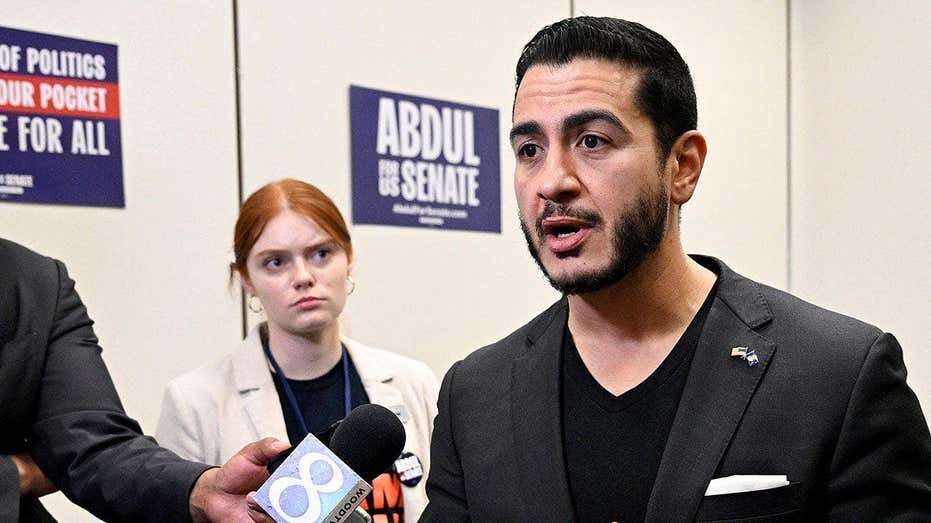
Andy Burnham Vows «New Politics» as He Accepts Labour Leadership
Andy Burnham, Britain’s incoming Prime Minister, formally accepted the Labour Party leadership on Friday, calling for a new political culture and vowing to end infighting as he prepares to take office on Monday.
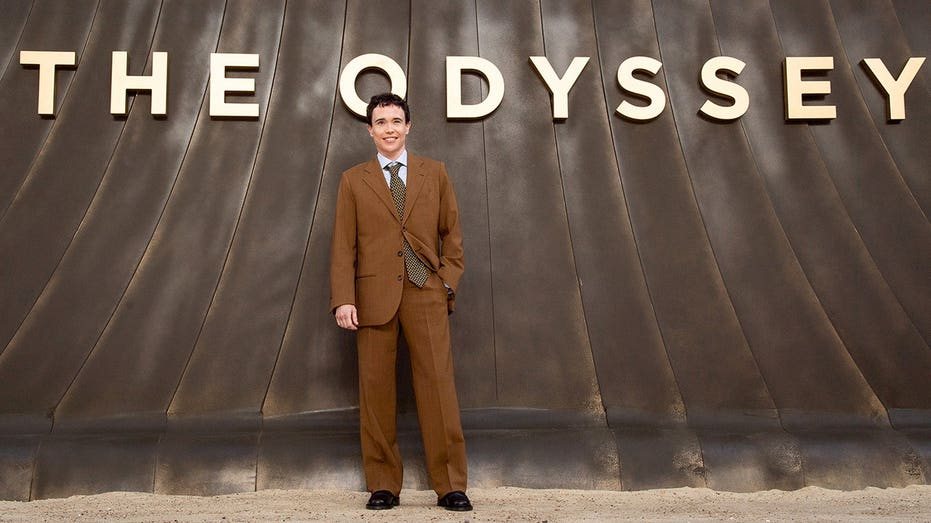
Andy Burnham, Britain’s incoming Prime Minister, formally accepted the leadership of the Labour Party on Friday, pledging to govern «for all» of the United Kingdom and to usher in a new era of political conduct. Speaking at a special party conference at the Trades Union Congress in London, the former Greater Manchester mayor declared that the country is «crying out for» a fresh approach and promised to end what he called the «insidious briefing culture» that has long plagued his party.
Burnham, who will move into Downing Street on Monday after outgoing Prime Minister Keir Starmer resigned following heavy losses in local elections, emphasized that change must begin with honesty. «We must recognize that this generation of politicians, myself included, have failed to challenge a political culture and an economic model that simply doesn't work well enough for ordinary people,» he said. His remarks came as the Labour government has seen a sharp decline in public support, culminating in significant defeats at the polls in May.
The incoming leader, often referred to as the «King of the North» for his strong regional base, pointed to his «for us» campaign slogan from last month’s Makerfield by-election, which secured his path back to national office. He called on fellow Labour lawmakers to find «common ground» with other parties and to make political discourse «a little bit less toxic.» Burnham stressed that a united party is essential to counter the rise of Britain’s new right. «We won't beat Britain's new right if we are consumed by infighting and pulling in different directions,» he warned.
Burnham paid tribute to Starmer, thanking him for his service, and said he intends to build on the foundation laid by his predecessors. However, he acknowledged the deep-seated economic and structural problems that have challenged recent governments. With the cost of living still high — 79% of adults in Great Britain reported an increase in their cost of living in April, according to the Office for National Statistics — Burnham vowed to restore hope and focus on practical solutions.
On policy specifics, Burnham offered few details but signaled a pragmatic approach. He has previously introduced a vision for a «No. 10 North» and devolution plans, and he indicated an open mind on North Sea oil and gas production, a stance that has drawn criticism from U.S. President Donald Trump. «I’ve got something of an open mind, you know. I don’t have a sort of fixed position,» Burnham said in early June. This position contrasts with that of Ed Miliband, the current Minister for Energy Security and Net Zero, who has advocated for restricting North Sea extraction.
Regarding his cabinet, Burnham insisted he has not yet made final decisions, despite widespread speculation. Home Secretary Shabhana Mahmood has emerged as a front-runner for Chancellor, while Ed Miliband is reportedly being considered for Foreign Secretary. Burnham said he wants to «build unity by respecting all shades of opinion» within the party. «Contrary to what you may keep on reading, I haven't made any decisions yet about who will be in that top team, but I will soon,» he told the conference.
Burnham also positioned himself as a pro-business leader, highlighting his successes as mayor of Manchester, including restoring local public ownership of buses and capping single bus fares at £2. He championed local businesses and promised to support economic growth. «Make no mistake, everybody, I will be a pro-business leader,» he declared, aiming to reassure the private sector amid concerns about Labour’s economic agenda.
Burnham will become the seventh Prime Minister in 10 years, and experts are already debating the longevity of his tenure given the formidable challenges ahead. Yet he struck a determined tone, vowing to give «hope» back to the people and to lead a government that works for ordinary citizens. His call for a «new politics» resonated with many in the hall, though the path to implementing that vision remains uncertain.