Serbia’s Russia visa-free rule faces pressure from its EU path
Belgrade has not imposed visas on Russian citizens and still allows ordinary passport holders to stay for up to 30 days without one. But EU alignment is making that exception harder to preserve indefinitely.
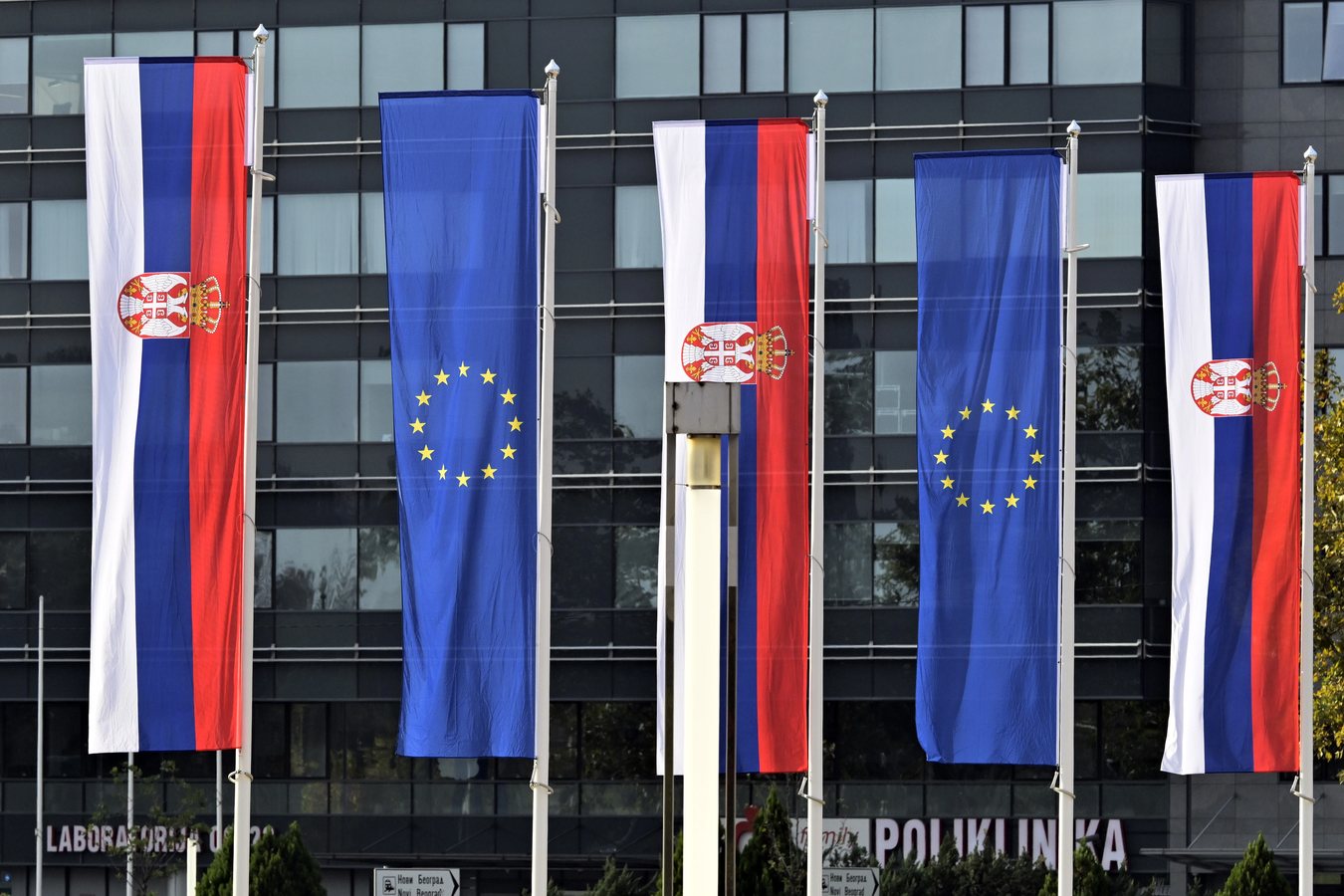
Serbia has not abolished visa-free entry for Russian citizens, but the policy is becoming more difficult to separate from Belgrade’s long-running effort to join the European Union. As of Aug. 11, Serbia’s Ministry of Foreign Affairs still says holders of ordinary Russian passports may enter without a visa for stays of up to 30 days. No Serbian decree has set a date for ending that arrangement.
The pressure comes from a basic mismatch between Serbia’s national visa list and the EU’s common rules. In its sixth report under the visa suspension mechanism, the European Commission listed Russia among 16 countries whose citizens could enter Serbia without a visa even though the EU required visas from them. Serbia had already adopted a plan in November 2023 to harmonize its visa regime with EU policy.
That plan did not order an immediate end to visa-free travel from Russia. It specified that alignment for countries on the EU’s visa-required list would take place one year or six months before Serbia’s accession to the Union. The Commission, however, said it expected faster progress. That leaves Belgrade with a political choice over timing, but not much ambiguity about the long-term direction if the country continues toward EU membership.
Montenegro has now provided the clearest regional example. Its government adopted a decree on July 23, 2026, requiring citizens of Russia, Belarus, China, Saudi Arabia and Türkiye to obtain visas beginning Nov. 1. Podgorica explicitly said the measure brought its visa policy into full alignment with the EU, met a closing benchmark under negotiating Chapter 24 and fulfilled a Reform Agenda commitment.
Serbia is not at the same point in the accession process, and Montenegro’s date does not automatically apply to it. Still, visa alignment remains an active subject in Serbia’s talks with Brussels. In April, Interior Minister Ivica Dačić met EU Commissioner for Internal Affairs and Migration Magnus Brunner, with border management and visa-policy harmonization among the topics. Serbia said it remained committed to further alignment with EU standards in home affairs.
One point often blurred in discussions of the issue is the year 2027. Serbian officials have described 2027 as a target for completing major or difficult reforms needed for EU membership. That is not the same as a fixed date for Serbia to enter the Schengen Area. EU accession, Schengen participation and the gradual adoption of the EU visa acquis are connected processes, but they are not a single deadline.
For Russian travelers, the immediate rule therefore remains straightforward: up to 30 days in Serbia without a visa. The more important question is how quickly Belgrade chooses to narrow the remaining differences between its visa policy and the EU’s. If it decides to move faster, Russia is an obvious case because the mismatch has already been identified in European Commission reporting.
The next meaningful development will be an official Serbian decision, not a prediction tied to a Schengen date. Until then, the story is one of growing policy pressure rather than a completed visa reversal. Montenegro shows what the endpoint can look like; Serbia has not yet chosen when, or whether, to take the same step on Russia.
82