Russia Gives Ivano-Frankivsk Resident 13 Years Over Ukraine Donations
Ivan Stolbov, a Russian citizen living in Ukraine, was detained at Yekaterinburg’s airport during a family visit. Eleven small transfers became a treason case.
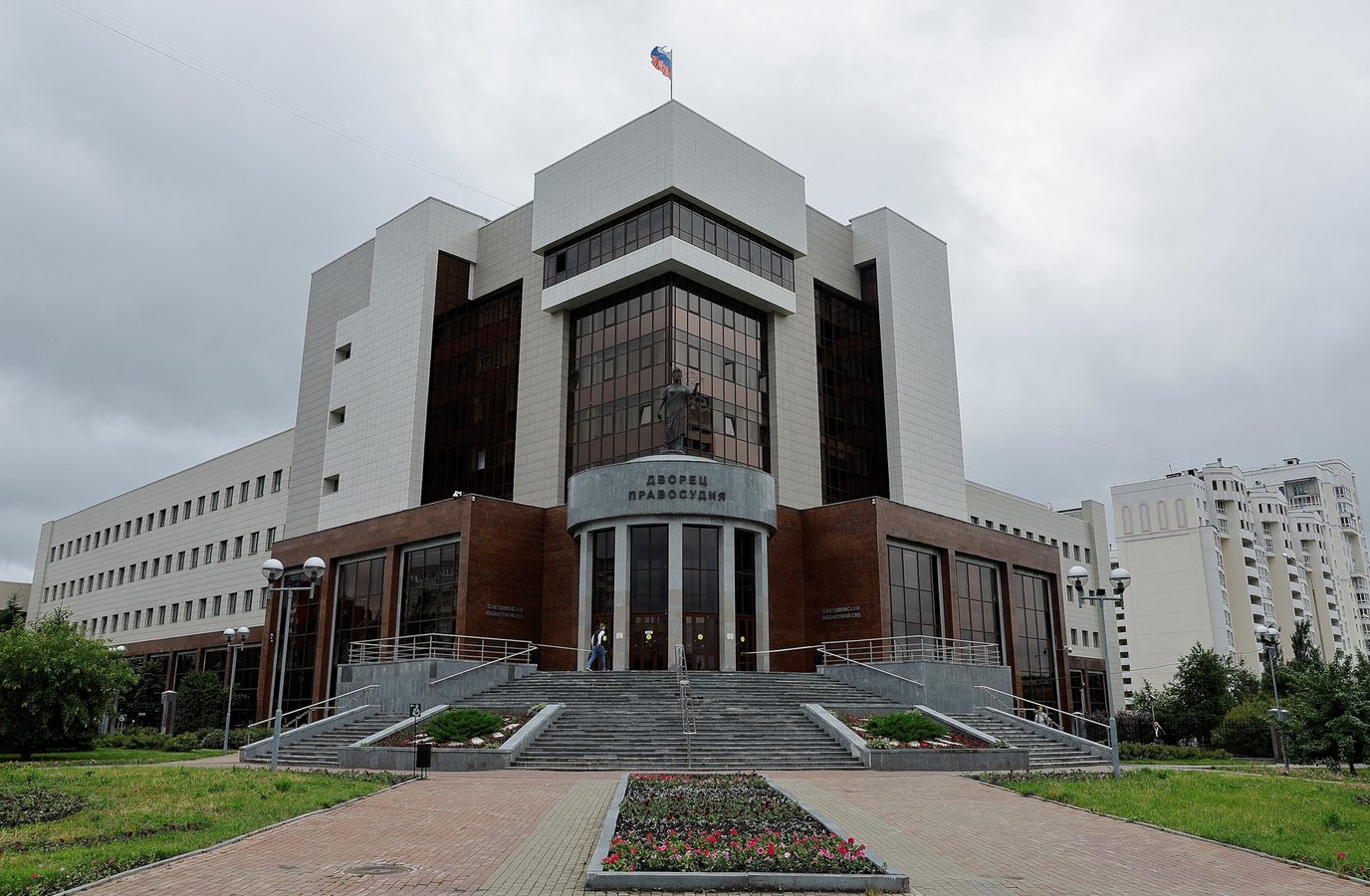
A Russian court has sentenced Ivan Stolbov, a 34-year-old resident of Ivano-Frankivsk in western Ukraine, to 13 years in a maximum-security penal colony over a series of small donations that Russian authorities classified as treason.
The Sverdlovsk Regional Court said Stolbov made 11 transfers from May 2023 through October 2025, each worth roughly 100 Ukrainian hryvnias. The court converted the total to 5,466.13 rubles. It said the money went to a Ukrainian organization and was later used for purchases for the Armed Forces of Ukraine, including tactical medical supplies, equipment, ammunition and military vehicles.
The court’s account is the Russian state’s version of how the money was ultimately used. Public materials released with the verdict do not provide a transaction-by-transaction evidentiary record. What is clear is the legal result: Stolbov was convicted under Article 275 of Russia’s Criminal Code, the treason statute.
Mediazona, whose reporter was in the courtroom, said Stolbov was born in Sarapul, held Russian citizenship and had been living in Ivano-Frankivsk without Russian registration. He worked as a procurement manager before his arrest.
His Russian citizenship is central to the case. Article 275 defines treason as an offense committed by a Russian citizen and includes financial assistance to a foreign state or organization in activity directed against Russia’s security. The current law carries a sentence of 12 to 20 years, with life imprisonment also available.
Stolbov came within reach of Russian authorities when he traveled to Russia in 2025. The regional court’s press service said he arrived to visit his mother. He was detained at Koltsovo Airport in Yekaterinburg. Mediazona described the trip more broadly as a visit to family.
The news outlet also reconstructed a series of administrative detentions that followed. Local court records showed that Stolbov was repeatedly jailed on administrative charges in July 2025 before the treason case emerged. In one episode, his mother and sister went to meet him outside a detention facility but did not see him leave. His lawyer said in court that he had been driven away from the facility grounds.
The final sentence includes more than the 13-year prison term. The court imposed an additional year of restricted freedom, a 300,000-ruble fine and confiscation of Stolbov’s phone and 5,466.13 rubles. The judgment had not yet taken legal effect when the court announced it; the parties were given 15 days to appeal.
The prosecution comes amid a much broader expansion of Russian national-security cases since the full-scale invasion of Ukraine. An investigation by the independent outlet Verstka identified at least 1,904 defendants in treason, espionage and related national-security cases since 2022. Among Russian defendants whose allegations it categorized, 65 were accused over money transfers benefiting Ukraine. Verstka calculated that the average treason sentence reached 16 years in the first half of 2026.
Stolbov’s case therefore connects an intimate decision — traveling to see a parent — with the increasingly expansive reach of Russia’s security laws. The next legal step is an appeal, if one is filed. Without a successful challenge, a handful of small transfers made while he was living in Ukraine will translate into more than a decade in a Russian prison system.
75