Patriot shortage puts US production under pressure before Ukraine’s winter
Ukraine may need hundreds of interceptors for the cold season, while American factories are only beginning a multiyear expansion and allies are guarding their own inventories.
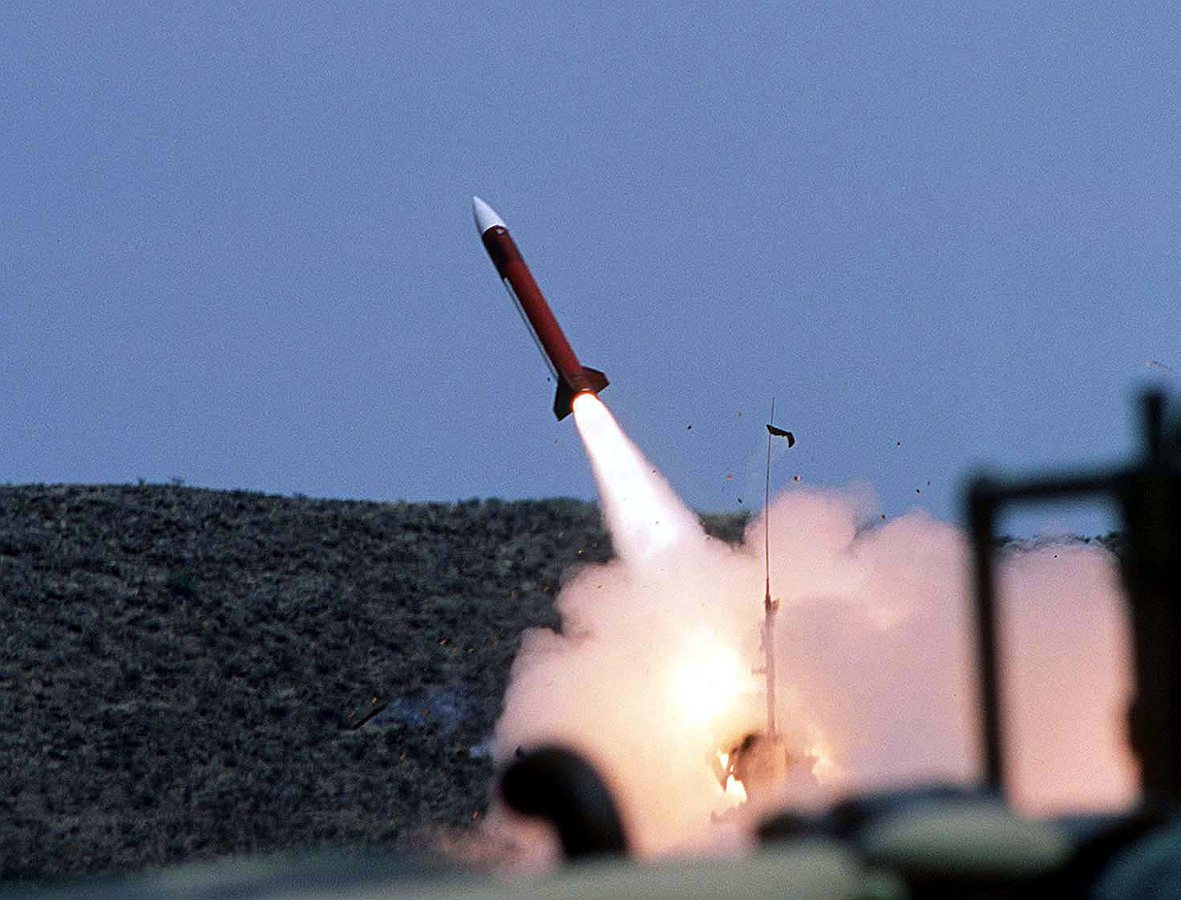
The next phase of Ukraine’s air-defense crisis is no longer mainly about finding Patriot launchers. It is about finding enough interceptor missiles to keep those launchers firing through another winter of Russian ballistic attacks. A report attributed to Politico says the shortage is increasingly being felt across Europe, with Germany, Poland, Spain and Greece reluctant to draw deeply from their own inventories while rapid U.S. replacement remains uncertain.
The scale of Ukraine’s requirement helps explain the pressure. European defense commissioner Andrius Kubilius said in March that Ukraine could need roughly 700 PAC-2 and PAC-3 missiles over a four-month winter period. Lockheed Martin says it delivered a record 620 PAC-3 MSE interceptors in all of 2025. That comparison is not exact because Patriot uses more than one interceptor type, but it shows why a single high-intensity war can consume output at a rate the prewar industrial base was never designed to sustain.
Washington and industry are trying to change that. Lockheed Martin reached a seven-year framework agreement with the U.S. government to raise annual PAC-3 MSE production capacity from about 600 missiles to 2,000. The company says the program will require new investment across facilities, workforce and suppliers. The critical word for Ukraine is “seven-year.” The additional capacity is strategically significant, but it does not put hundreds of extra interceptors into Ukrainian launchers before temperatures fall in 2026.
That is why Kyiv has turned to existing allied stockpiles. In early July, Ukraine appealed to nearly 40 partners to transfer Patriot missiles from inventories now, with the expectation that those countries would be replenished later from already contracted production. It is essentially a time swap: Ukraine gets a missile at the moment of greatest danger, while the donor accepts a temporary reduction in readiness in exchange for a future replacement.
The United States sits at the center of that trade because it remains the principal source of the most advanced Patriot interceptors and because American requirements are global. The same missiles are needed for U.S. forces, European allies and partners elsewhere. Years of relatively low-rate production left limited surge capacity, making the question of who receives the next missile as important as who pays for it.
The shortage is already visible in combat. During a major Russian strike on Kyiv in early August, Ukraine failed to intercept the ballistic missiles in the attack. Financial Times reporting described Patriot stocks as critically low and cited President Volodymyr Zelenskyy saying Western interceptor deliveries had fallen sharply compared with 2025. Other air-defense systems can handle drones and cruise missiles, but Patriot remains Ukraine’s key ground-based answer to fast ballistic threats.
For Washington, the inventory decision therefore has two timelines. The immediate one is how many existing interceptors can be allocated without pushing U.S. and allied readiness below acceptable levels. The longer one is whether the production expansion reaches a pace that allows routine replenishment after high-intensity use. Those timelines are connected: allies are more likely to release stock now if they trust the replacement pipeline.
Russia is increasing that pressure faster than Western production can be expanded in the near term. The Financial Times wrote on August 11 that Russia is producing roughly 70 ballistic missiles a month and fired 198 in the previous month. If Moscow again concentrates on power infrastructure in winter, the immediate U.S. policy question will not be whether new factories are needed — that decision has largely been made. It will be how much risk Washington and its allies are willing to carry in their own inventories to bridge Ukraine to the higher production rates that are still years away.
81