
New Zealand’s ‘Nine Lives’ Feral Cat Is Caught After a Three-Year Hunt
The grey tabby repeatedly preyed on reintroduced pāteke on the Purerua Peninsula. Conservationists trapped the cat on July 30 after it returned to a quarry three nights in a row.
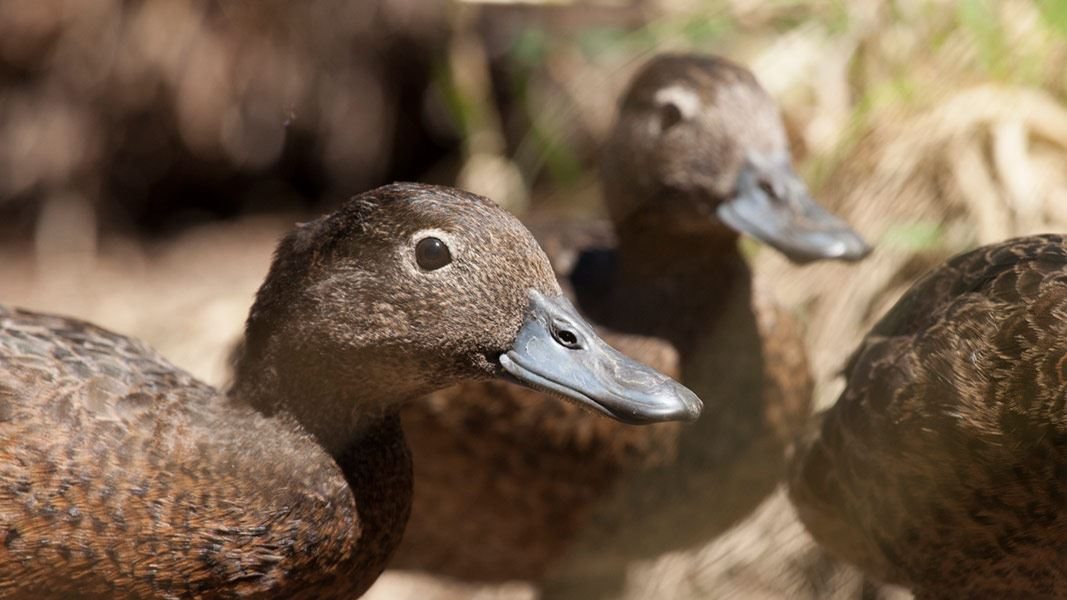
A three-year hunt for one of New Zealand’s most notorious feral cats has ended on the Purerua Peninsula, where conservationists say a large grey tabby repeatedly attacked releases of the country’s rarest mainland waterfowl. The cat, nicknamed “Nine Lives” after repeatedly evading traps, was caught in a cage on July 30 and humanely shot.
The story began in 2023, when the Pest Free Purerua project released 20 pāteke, also known as brown teal, into habitat it believed had adequate feral-cat control. Within a week, the first bird was found dead. Cameras then picked up a cat with distinctive markings. Project staff linked the same animal to another 15 pāteke deaths during that release.
The team expanded its trapping effort with more cages, equipment and night cameras. Other feral cats were removed, but Nine Lives proved unusually difficult to predict. It could appear at dusk, in the middle of the night, early in the morning or during the day, then disappear for two or three months. That pattern frustrated attempts to establish a reliable feeding route or trapping schedule.
In 2024, conservationists tried another release of 20 pāteke. The same cat returned and was blamed for killing 15 more birds. The Guardian estimated that Nine Lives killed dozens of pāteke in total, roughly 1% of the species’ population. That percentage is best treated as an estimate from the reporting rather than a precise national count.
New Zealand’s Department of Conservation puts the scale in perspective. Its species profile says pāteke are endemic to New Zealand and were estimated at 2,000 to 2,500 birds in the wild in 2022. The department describes them as the country’s rarest waterfowl on the mainland and lists predation by introduced mammals among the main threats. Recovery depends on predator control, habitat restoration, captive breeding and release programs.
The breakthrough came at the end of July. Nine Lives showed up at a quarry for three consecutive nights, an unusually regular pattern for the animal. Trappers used salmon, fried chicken and rabbit as bait and deployed cages and traps. On July 30, a camera notification showed a cat inside a cage. The team checked the trap, identified Nine Lives and shot the animal humanely.
The cat’s body was due to be examined, including an analysis of stomach contents, before being taxidermied for community education. That plan reflects the larger debate surrounding feral cats in New Zealand. Some people reacted with distress to the killing, while conservation groups argue that introduced predators can have an outsized effect on native species that evolved without comparable mammalian hunters.
The policy landscape has also shifted. In November 2025, New Zealand’s government added feral cats to the Predator Free 2050 target list after a public consultation in which more than 90% of nearly 3,400 submissions supported better feral-cat management. Officials explicitly separated feral cats from domestic pets, which are not part of the eradication target.
For Purerua, the next test will be whether pāteke can be released again without suffering the same losses. Removing Nine Lives closes one unusually long chase. Keeping future birds alive will require the less dramatic work of constant monitoring, early detection and sustained predator control.
85