FBI Leads International Takedown of Scam Centers, Seizing Billions
The FBI has launched a global offensive against industrial-scale scam centers, resulting in hundreds of arrests, billions in asset seizures, and the rescue of trafficking victims, with strong international cooperation.
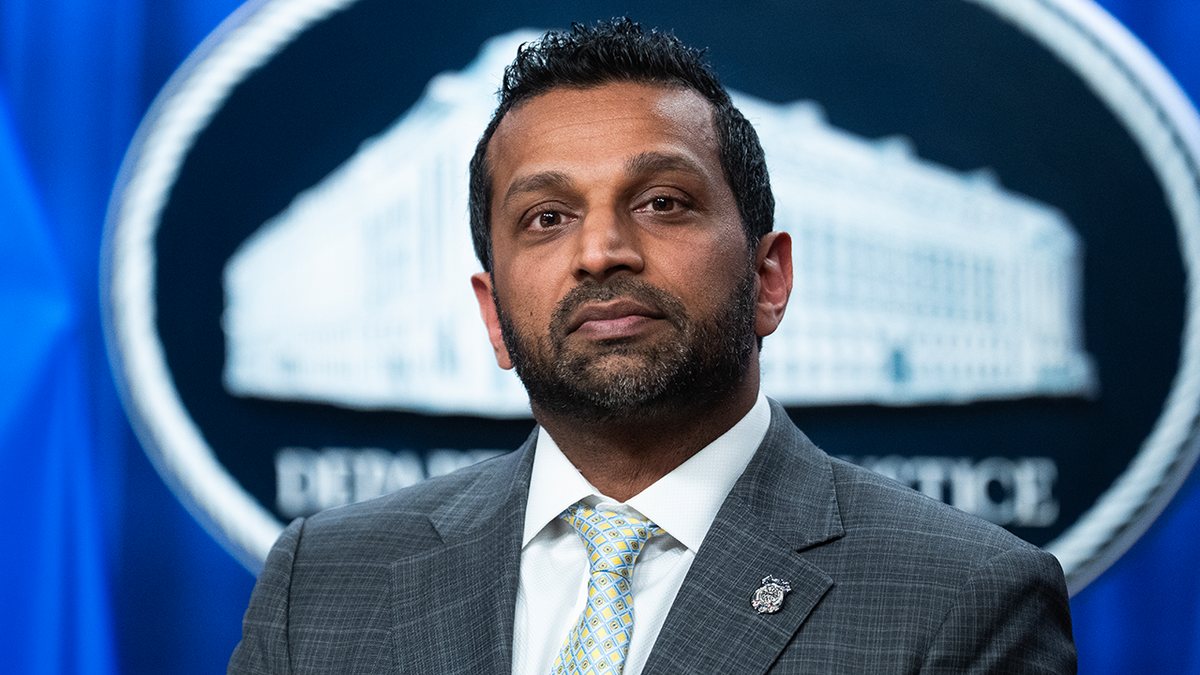
The Federal Bureau of Investigation has spearheaded a historic international crackdown on global scam centers that have stolen billions from American citizens and fueled transnational criminal networks. Under the Trump administration, the FBI has elevated the fight against these industrial-scale compounds to a top priority, treating the dismantlement of these operations as a no-fail mission. In just over a year, the agency has opened more than 30 cases, seized assets valued at over $15 billion, and helped drive hundreds of arrests across Southeast Asia and the Middle East.
Among the most significant operations was Operation Sand Dollar, conducted in April in coordination with Dubai Police and China's Ministry of Public Security. The operation targeted nine scam centers run by Asian organized crime groups in the United Arab Emirates, leading to 311 arrests and the seizure of thousands of devices used to target American victims. According to the FBI, each of those centers was funneling roughly $6 million annually from scams, meaning the takedown prevented an estimated $54 million in losses from a single operation.
Another major effort, Operation Zephyr Exodus, focused on the Prince Holding Group in Cambodia, a criminal empire operating guarded compounds that churned out global scams. The operation resulted in the indictment of the group's CEO for wire fraud and money laundering conspiracy, along with the forfeiture of approximately 127,000 Bitcoin, valued at around $15 billion at the time. That forfeiture stands as the largest in U.S. history, effectively cutting off the financial engine of a syndicate that used its proceeds to target everyday Americans.
The FBI also took action against the Tai Chang scam compound in Burma, operated by Chinese criminals, seizing domains and $30 million tied to that and other compounds. In a joint effort between the FBI's Bangkok office and Thai authorities, the Shunda compound was dismantled. That compound had been linked to hundreds of millions in losses and used a Telegram channel with over 6,000 followers to recruit forced labor for a Cambodian law enforcement impersonation scam. The FBI seized the channel and disrupted the operation.
Beyond reactive measures, the FBI has implemented proactive victim prevention through Operation Level Up, supported by the U.S. Secret Service and other partners. The program identifies potential victims in real time and alerts them before they fall prey to scams. To date, the FBI has notified nearly 9,000 people, about three-quarters of whom were unaware they were being targeted. The initiative has prevented an estimated $562 million in losses and referred dozens of individuals for suicide intervention.
These achievements rely heavily on international cooperation. The FBI has forged partnerships with law enforcement agencies in Thailand, India, Cambodia, Indonesia, China, and the United Arab Emirates, among others. The agency has suspended more than 7,500 terminals, cutting off internet access that powers thousands of scam devices at once, thanks to collaboration with private sector technology and financial companies. Just last week, the FBI hosted its first-ever Scam Center Summit in Thailand, bringing together representatives from 18 countries and hundreds of law enforcement agencies to coordinate further action.
According to FBI officials, the next phase of the campaign will involve bulldozing the physical compounds to ensure they cannot be reactivated. The agency has challenged its international partners to participate in this effort. The focus remains on targeting syndicate leadership at every level to achieve total dismantlement of these organizations. The FBI has emphasized that these operations have not only protected American victims but also freed thousands of trafficking victims from forced-labor compounds in Southeast Asia. Officials have stated that the agency will continue to drive forward with compound dismantlement, asset seizures, and victim rescues as part of its ongoing mission.
105