Cyclospora outbreak exposes food safety strain after DOGE cuts, experts say
A summer of food recalls, including a cyclospora outbreak that sickened more than 18,000 people, has public health experts warning that staffing cuts to federal food safety agencies will make it harder to detect and prevent future contamination.
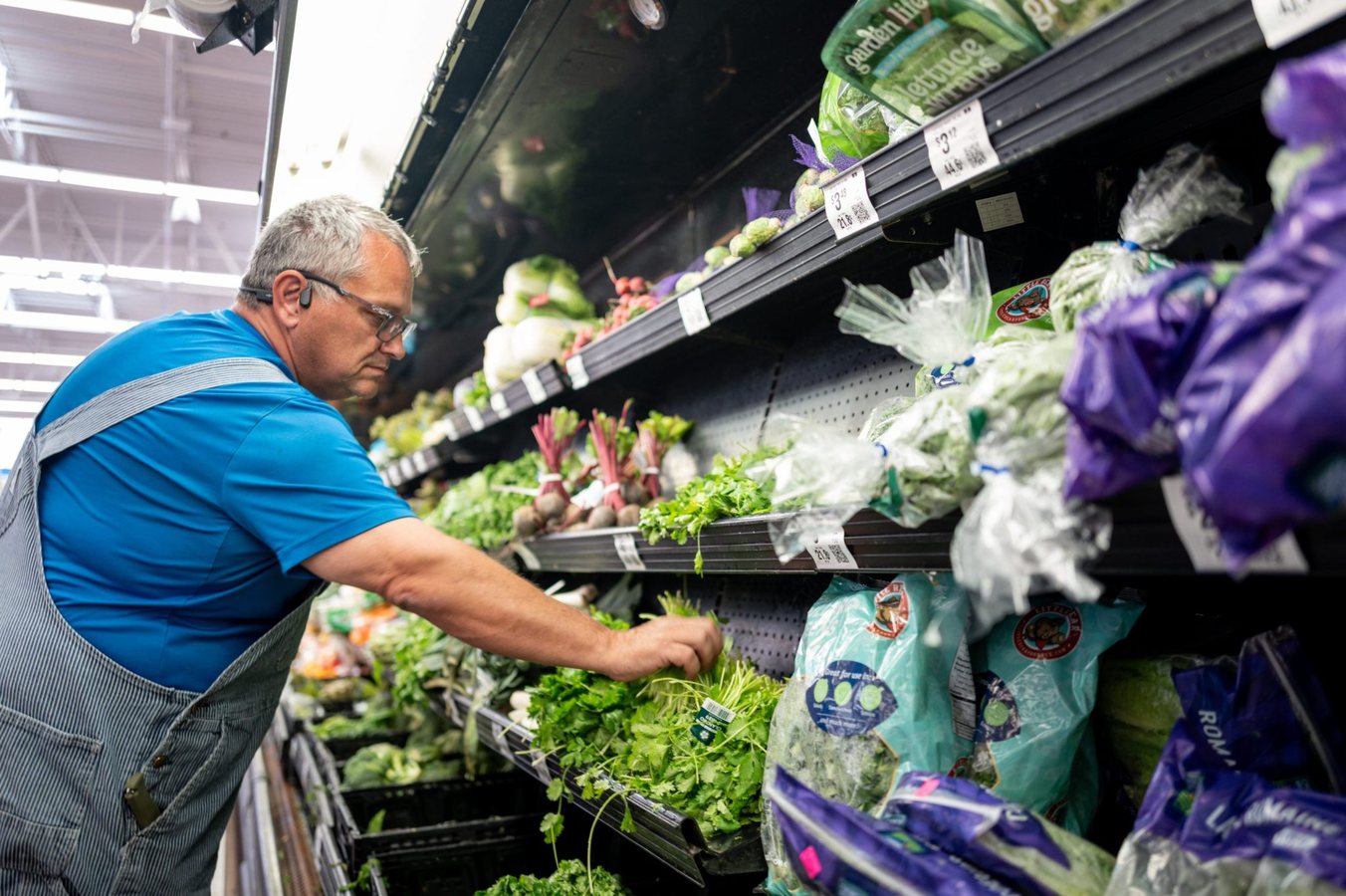
A summer marked by widespread food recalls has public health experts warning that recent cuts to federal food safety agencies will make it harder to detect and prevent future contamination. The warnings follow a cyclospora outbreak linked to Mexican-grown iceberg lettuce that has sickened 18,445 people since the beginning of May, according to federal data.
Taylor Farms de Mexico recalled all iceberg lettuce sourced from Mexico across 27 states in response to the outbreak. The company also recalled fresh jalapenos in 26 states over salmonella concerns. Other incidents this summer include Dairy Queen locations in five states pulling 74 cases of ice cream after metal shavings were found in the product, and more than 75,000 packages of tofu recalled for possibly containing ink.
The surge of recalls has coincided with major workforce reductions carried out last year by the Department of Government Efficiency, known as DOGE, which was led by Elon Musk. Those cuts affected the Food and Drug Administration, the U.S. Department of Agriculture, and the Centers for Disease Control and Prevention. Experts say the reductions come on top of staffing challenges and limited resources that have plagued the food safety system for decades.
«None of it’s good for food safety,» said Don Schaffner, chair of the department of Food Science at Rutgers University. «I really worry more that we’re going to lose visibility into what’s going on. We already know that a significant number of illnesses go unreported, a significant number of outbreaks go undetected. This is only going to make that worse.» He added: «None of this is efficiency. This is all whatever the opposite of efficiency is.»
Office of Personnel Management data shows more than 1,100 fewer Food Safety and Inspection Service roles in the USDA since 2024. A USDA spokesperson said food safety remains a top priority and that inspectors provide mandatory coverage at every federally regulated establishment daily. «No FSIS-regulated products can enter commerce without inspection,» the spokesperson said.
The FDA shifted its focus to preventing food safety crises after the Food Safety Modernization Act of 2011, but DOGE reduced surveillance and tracing capabilities. The agency is also carrying out fewer inspections of imported food, which makes up 20% of the U.S. food supply. A Fortune analysis of agency data found the FDA conducted 805 foreign human food inspections in fiscal 2024, 723 in fiscal 2025, and only 214 in the first two quarters of fiscal 2026. The reduction correlates with the elimination of FDA support staff who booked travel and carried out food testing for contamination.
In August 2025, the Department of Health and Human Services scaled down the Foodborne Diseases Active Surveillance Network, known as FoodNet, which tracks food poisoning cases. The network slashed mandatory surveillance of six major germs, including cyclospora. The FDA told Fortune that the Trump administration is working with health departments across all 50 states to respond to outbreaks and that no FDA investigators were impacted by staffing changes. The agency’s proposed 2027 budget is $7.2 billion, a 3.3% increase from the 2026 budget, with a focus on growing inspection capabilities.
Even before the DOGE cuts, U.S. food inspections were lagging behind recommended levels. A 2025 Government Accountability Office report found the FDA has not met its domestic and foreign inspection targets since fiscal 2018. The agency failed to inspect 7% of high-risk domestic facilities due for inspection in fiscal 2019, a figure that rose to 40% in 2020 and 49% in 2021. The FDA, responsible for 80% of the country’s food supply, cited workforce shortages as the main reason for the shortcomings.
Marion Nestle, professor emerita of nutrition, food studies, and public health at New York University, said the persistent staffing problem stems partly from how congressional appropriations committees fund the FDA. Money earmarked for rural development and agricultural efforts leaves food and drug regulatory funding by the wayside. Nestle warned that fewer inspections change the psychology behind how companies enforce food safety. «If the companies aren’t being inspected, if nobody’s minding the store, if nobody’s holding them accountable, they’re going to get sloppy,» she said.
71