Colombia earthquake death toll passes 200 as rescuers search rubble
At least 224 people have been reported dead after a magnitude 7.4 earthquake struck western Colombia. More than 3,000 people are listed as missing.
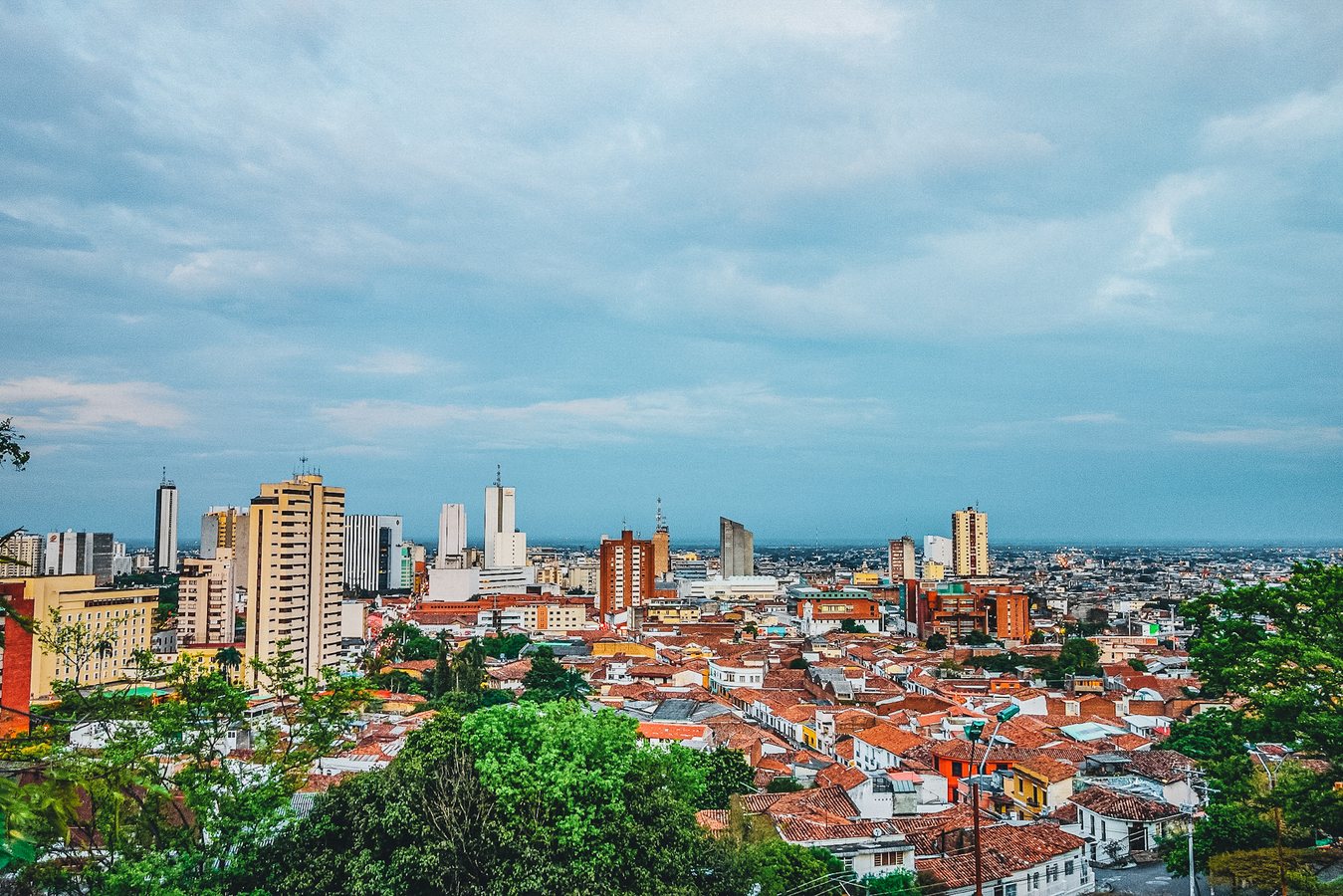
Rescue crews in western Colombia are racing through a second day of searches after a magnitude 7.4 earthquake killed at least 224 people and left more than 3,000 listed as missing. Hundreds were injured, and the toll is still provisional as emergency teams reach damaged neighborhoods and check collapsed buildings.
The earthquake struck at about 7:34 a.m. local time on Aug. 10, with its epicentral area near San José del Palmar in the western department of Chocó. Strong shaking damaged communities across a broad area, with Cali and Pereira among the hardest-hit major cities.
The scale of the disaster became clearer over the following 24 hours. Early reports put the death toll at 132, but the count rose as local authorities, hospitals and rescue teams consolidated information. El País reported at least 224 deaths in its Aug. 11 live update, while the Associated Press said more than 3,000 people remained missing.
A missing-person count after a major disaster is not the same as a count of people known to be trapped. Some may later be located in hospitals, shelters or areas where phone service has failed. But with roughly 1,600 buildings reported damaged or collapsed nationwide, rescuers must treat many of those cases as urgent until relatives or authorities can establish contact.
Soldiers, professional emergency crews, volunteers and residents are working through rubble in the affected cities. Search teams are trying to identify survivable voids before moving large slabs of concrete, a slow process that can make the difference between reaching a trapped person safely and destabilizing a damaged structure.
President Abelardo de la Espriella declared a national emergency and said the immediate priority was rescuing people believed to be under debris. The disaster is an abrupt first major crisis for the president, who had taken office only days earlier. His government is now coordinating military deployments, emergency shelter, medical support and access to neighborhoods where roads and other infrastructure have been damaged.
Aftershocks are adding another layer of danger. El País, citing Colombia’s geological service, said 47 aftershocks had been recorded by the evening update, with the strongest reaching magnitude 4.8. Buildings that survived the first shock may still be unsafe if columns, walls or foundations were weakened.
International aid is also beginning to arrive. The United States announced about $15.5 million in assistance, according to the AP. The longer-term needs are likely to include housing, structural inspections, hospital support and repairs to transportation networks, but the first phase remains focused on life-saving work.
For families waiting outside rescue zones, the changing numbers are secondary to a much more personal question: whether a missing relative will be found alive. That is why crews are still concentrating on sites where there may be air pockets and signs of survivors rather than shifting fully into debris removal.
The final human cost will not be known until teams reach harder-to-access communities and reconcile the missing-person lists. Until then, every new rescue can change one family’s outcome even as the national toll continues to rise.
65