
Army detonates nearly 5 tons of degraded lead azide at Iowa plant
The U.S. Army set off nearly five tons of degraded lead azide at its Middletown, Iowa, ammunition plant after repeated delays and a federal court intervention. Officials said the controlled blast was safer than an uncontrolled explosion, and residents within 20 miles were told to shelter in place.
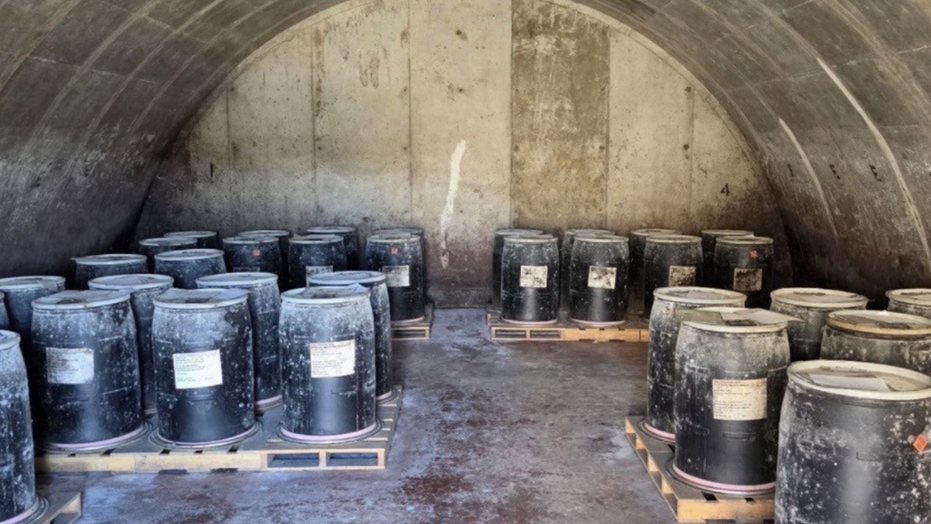
The U.S. Army has detonated nearly 5 tons of degraded lead azide at its ammunition plant in Middletown, Iowa, ending a process that had been delayed several times and required a federal court intervention. Two explosions were heard near the site, according to a video feed monitoring the area.
A senior official in the Trump administration told Fox News that the blast « exceeded all expectations » and that « maximum mitigation » was achieved. President Donald Trump followed up with a brief post on Truth Social, saying early reports showed the mitigation efforts had worked. Missouri Governor Mike Kehoe confirmed that the explosion had taken place about 15 minutes after it was heard. Updated Army maps had projected that the plume would drift southwest into the northeastern corner of Missouri, the state Kehoe governs.
Kehoe said in a social media post that « initial analysis shared with us by federal partners and Iowa Homeland Security and Emergency Management indicates that the mitigation measures appear to have been successful and the explosion was well-contained. » Ahead of the detonation, residents and environmental advocates had warned that burning the bomb-making materials could blanket the surrounding community in toxic lead dust. To prevent that, the Army built extensive barriers and deployed specialized gels designed to absorb fallout from the site.
The material at the center of the operation is a highly volatile explosive. The 68 barrels of lead azide had crystallized and degraded over time, and officials said that condition made a spontaneous explosion possible at any moment. Army officials and other federal agencies therefore agreed that a controlled detonation was far preferable to waiting for the material to fail on its own.
The crystals are extremely sensitive to heat, shock and friction. Officials warned that freezing temperatures, like those that hit Middletown on Wednesday, could further destabilize the material and trigger an explosion. That risk weighed heavily in the decision to proceed with a planned detonation, even after multiple earlier delays had pushed the timeline back.
After the blast, the Federal Emergency Management Agency said residents within 20 miles of the site who had not evacuated should continue to shelter in place and follow safety guidance from the Environmental Protection Agency. The advisory reflects the concern about lead contamination that had driven the mitigation plan in the first place, and it remained in effect as officials assessed conditions around the plant.
The episode has drawn attention to the wider question of how the military disposes of hazardous materials stored near populated areas. Residents and advocates had pressed for safeguards before the detonation, and the controlled outcome has so far been described by officials as successful, though the situation is still developing and further updates on the site are expected.
Source: foxnews.com
19