All 13 Killed in Aerodiana Tourist Plane Crash in Peru
A tourist flight operated by Aerodiana crashed near Nazca, Peru, killing all 13 people on board, including 11 European tourists. The airline issued a statement offering heartfelt condolences while questions remained about what caused the plane to go down.
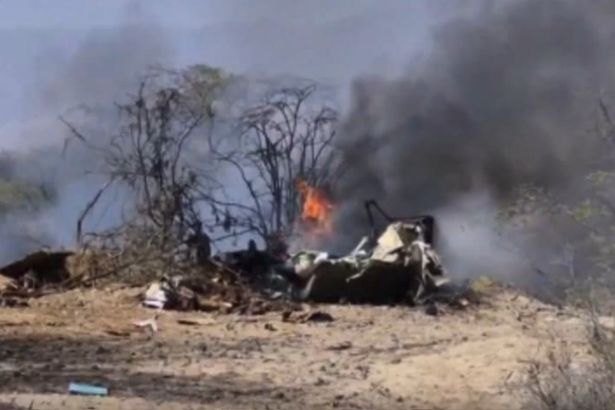
A tourist plane operated by Aerodiana, a Peruvian airline, crashed near the city of Nazca, killing all 13 people on board during a sightseeing flight over the Nazca Lines. The aircraft came down just outside Nazca, the town that serves as the main gateway to one of Peru's most popular attractions, and the company soon issued a statement extending heartfelt condolences to the victims' families.
The dead included 11 European tourists, according to initial reports from Peru. The remaining victims were not publicly identified in the first statements issued after the crash, and no immediate word was given on whether they were passengers or crew members.
The flight was a Nazca Lines viewing excursion, one of the best-known tourist experiences in southern Peru. The ancient desert carvings stretch across a vast, dry plateau and are so large that they are generally seen from the air. Because of this, small sightseeing flights are a common way for visitors to see the geoglyphs, and they operate regularly from the town of Nazca.
The crash happened on a route that is part of a busy local industry built around tourism to the Nazca Lines. The town of Nazca draws international travelers who come to see the giant figures and geometric shapes etched into the ground long ago, and aerial tours are among the most sought-after activities in the region.
The geoglyphs of Nazca are protected as a UNESCO World Heritage site, and their location in a remote desert landscape has made them a major draw for visitors from across the world. For many travelers, the only practical way to appreciate the scale of the drawings is from a small aircraft flying low over the desert floor.
Aerodiana, the airline that operated the flight, broke its silence after the accident with a public statement of condolence. The company expressed heartfelt condolences to the families of those who had died, but did not address the cause of the crash or provide the victims' names.
Initial reports did not offer an explanation for the accident. The aircraft was on a tour over one of Peru's most visited cultural sites at the time, and the full official account of what happened was still incomplete in the hours after the plane went down. The airline's statement acknowledged the loss but left the question of cause unanswered.
No detailed public report on the crash was immediately available. The first confirmed facts remained the number of dead, the airline's identity and the location of the accident just outside Nazca.