Sorkin's 'The Social Reckoning' Draws Fire From Left and Right
Aaron Sorkin's follow-up to 'The Social Network' is facing mixed reviews and sharp criticism from both conservative and liberal commentators over its portrayal of Facebook's role in American politics.
Aaron Sorkin's new film «The Social Reckoning,» a follow-up to the 2010 hit «The Social Network,» is drawing sharp criticism from both sides of the political spectrum as well as lukewarm reviews from critics. The film, written and directed by Sorkin, revisits the story of Facebook and its role in American political life, but its reception has been far more divided than that of its predecessor.
«The Social Network» focused on the creation of Facebook and the legal battle over its ownership. It earned three Oscars, including one for Sorkin's screenplay, and holds a 96% positive rating on the review-aggregation site Rotten Tomatoes. The new film, by contrast, had a 61% critics' score on Rotten Tomatoes as of Thursday evening, a sign of the mixed response it has generated.
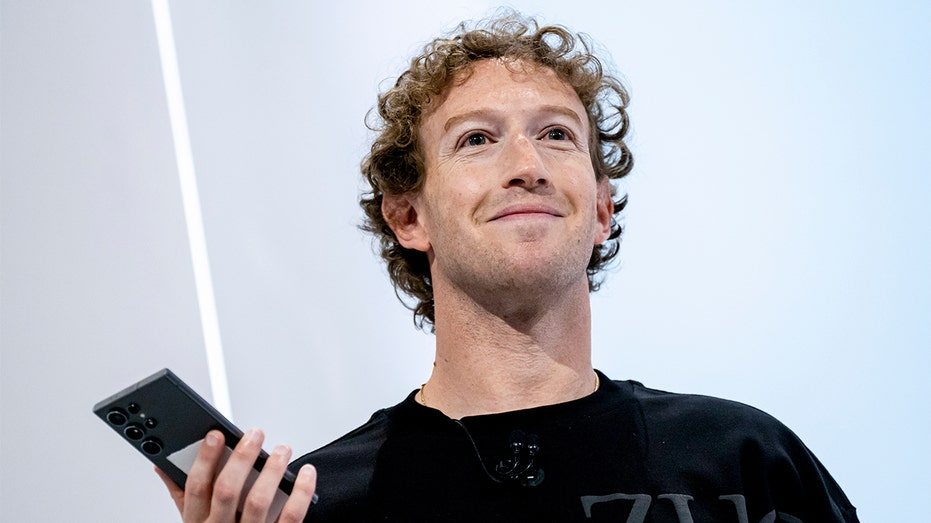
The film's trailer, released earlier this year, showed Meta CEO Mark Zuckerberg, played by Jeremy Strong, being questioned by a character played by comedian Bill Burr. In the scene, Zuckerberg defends online free speech and argues that users are responsible for their own behavior, while Burr's character challenges him vigorously. Sorkin had published an open letter in 2019 criticizing Zuckerberg's management of the platform, and the new film extends that critique.
Conservative critics were quick to mock the trailer. OutKick writer Ian Miller called it tone-deaf, saying it was «the most Hollywood thing ever to desperately try and convince everyone that the guy making complete sense is the bad guy and the one demanding authoritarian ideological enforcement is the good guy.» Media Research Center President David Bozell told Fox News Digital that the film suggests Big Tech's real failure was not censoring conservatives enough. «It says everything you need to know about Aaron Sorkin and the Hollywood elite that they would make a movie suggesting Big Tech's real failure was not censoring conservatives enough,» Bozell said. He added that Zuckerberg has acknowledged past censorship abuses and taken steps toward a more open platform, and that «Hollywood seems determined to fight yesterday's battle even as Zuckerberg has moved on from it.»
Film critics were also sharply critical. The Globe and Mail's Barry Hertz called it «one of the most insipid, ugly, flat films of the year — an insufferably sanctimonious fantasia of blue-state Boomers.» In his review, he argued the movie is counterproductive, saying it «will turn even the most hardcore Facebook hater into a true-blue Facebook believer.» Variety said the film badly missed the original's director, David Fincher, and «already feels behind the curve,» while Wired described it as a film that «already feels irrelevant.»
Wired noted that the movie opens with the DUI arrest of a woman who directs racist, right-wing insults at police officers and is arrested for threatening to kill one of them. When the video goes viral, a Facebook whistleblower recognizes the woman as a former liberal acquaintance from her Pilates class. The film's climax is the Jan. 6, 2021, Capitol riot, «the horrors of which are blamed in part on Facebook's failure to either get a handle on election fraud conspiracy theories or remove Donald Trump's account as he stoked such inflammatory falsehoods.»
Journalist and film critic Stephen Silver described the movie as «an old-man-yells-at-cloud treatment of Facebook.» Silver wrote that Sorkin essentially argues Facebook was not censorious enough in the 2010s and that the government should now step in by reforming Section 230 of the Communications Decency Act, a federal law that generally shields online platforms from liability for content posted by users. «No, I don't buy that Facebook is primarily responsible for American political extremism, or for January 6,» Silver wrote, arguing that individuals remain responsible for their own actions online.
SFGate's Lindsey Bahr wrote that while certain political aspects hit the mark, the movie falls far short of its predecessor: «It is unfortunate for 'The Social Reckoning' that 'The Social Network' exists.» IndieWire was even harsher, panning its script and performances. The BBC's reviewer gave it two out of five stars, calling it unlikely to influence anyone, while The Guardian, in a mixed review, dismissed it as a «film which doesn't reckon with the future we're living in.» Even some reviews rated as positive on Rotten Tomatoes were tepid. A review from The Seattle Times said it moved «snappily» but was still a «pale imitation» of «The Social Network.»
Among the more positive reviews came from the San Francisco Chronicle, which praised the film as a «stirring journalistic thriller.» The divide in reception reflects broader disagreements about Facebook's role in politics and whether a film made years after the events it depicts can still shape the debate.
5