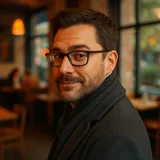
Nathan Fielder and Lance Oppenheim Debut 'You Can See Everything' at New York Film Festival
Nathan Fielder and Lance Oppenheim premiered their documentary 'You Can See Everything' at the New York Film Festival, discussing the challenges of filming a complex subject where disagreement itself became part of the story.
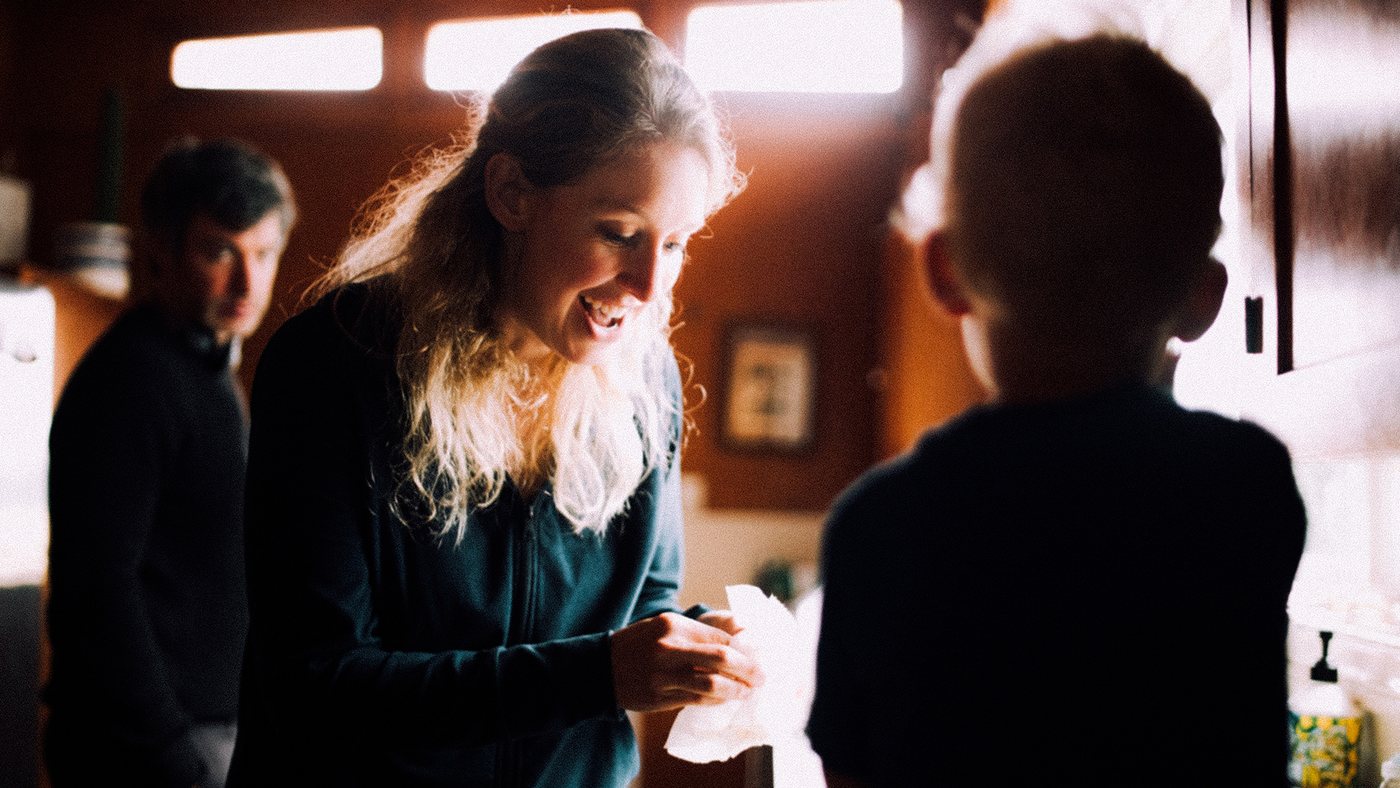
Nathan Fielder and Lance Oppenheim brought their new documentary, «You Can See Everything», to the New York Film Festival for its second public screening, where the two filmmakers sat down for a Q&A moderated by festival artistic director Dennis Lim. The conversation, held Wednesday night, centered on the unusual challenges of capturing a subject so layered that even the directors themselves could not always agree on what they were witnessing.
Lim opened the discussion by inviting the filmmakers to «start at the beginning» and explain how the project came together, a question that set the tone for a conversation about process, uncertainty, and the nature of documentary truth. Fielder, known for his boundary-pushing television work, and Oppenheim, an acclaimed documentarian, described a filmmaking experience in which the absence of a single agreed-upon interpretation became central to the film rather than a problem to be solved.
That idea was captured in the directors' own words during the Q&A: «If we can't agree on what's happening, there's something there.» The remark reflects an approach in which ambiguity is not a flaw but a signal — an indication that the material is rich enough to sustain multiple readings, and that the film's value lies partly in what audiences bring to it.
The screening marked only the second time the documentary had been shown publicly, adding a sense of discovery to the evening. New York Film Festival audiences are known for their appetite for formally adventurous nonfiction, and the presence of two filmmakers whose careers have consistently blurred the line between entertainment and observation made the event a notable stop on the festival calendar.
Fielder has built a reputation for work that tests the boundaries between performance and reality, often placing ordinary people in constructed situations that reveal something unscripted about human behavior. Oppenheim has earned praise for documentaries that immerse viewers in enclosed worlds — communities, institutions, and subcultures — with a strong visual sensibility. Their collaboration on «You Can See Everything» brings together those two instincts: a willingness to unsettle expectations and a commitment to patient, immersive observation.
The Q&A format itself, with Lim guiding the conversation, gave the directors room to reflect on the practical difficulties of filming something that resists easy summary. Documentary production often demands that filmmakers commit to a narrative early, shaping footage around a thesis. «You Can See Everything» appears to have taken the opposite route, allowing contradictions and competing perspectives to remain visible in the final cut.
That choice carries risks. Audiences accustomed to documentaries that deliver clear conclusions may find a film built on unresolved disagreement challenging. But the directors' comments suggest the ambiguity was deliberate — a way of respecting the complexity of the subject rather than flattening it into a single, tidy story.
The New York Film Festival has long served as a launchpad for nonfiction films that go on to shape the cultural conversation, and a slot in its program often signals that a documentary will be discussed and debated well beyond the festival circuit. For Fielder and Oppenheim, the screening offered an early indication of how viewers respond when a film refuses to tell them what to think.
Neither filmmaker announced distribution plans or a release date during the Q&A, leaving the wider public debut of «You Can See Everything» still to be determined. What the evening made clear, however, is that the directors see the film's resistance to a single interpretation not as a weakness but as its defining quality — a documentary that trusts its audience to sit with uncertainty and find meaning in the disagreement itself.
21