Jason Weaver's Mother Turned Down $2 Million From Disney for 'The Lion King' and Chose Royalties Instead
Jason Weaver was 13 when Disney offered him $2 million to sing as young Simba in 'The Lion King.' His mother negotiated for $100,000 upfront plus royalties instead. Three decades later, the checks are still arriving, and Weaver says he has earned more than the original offer.
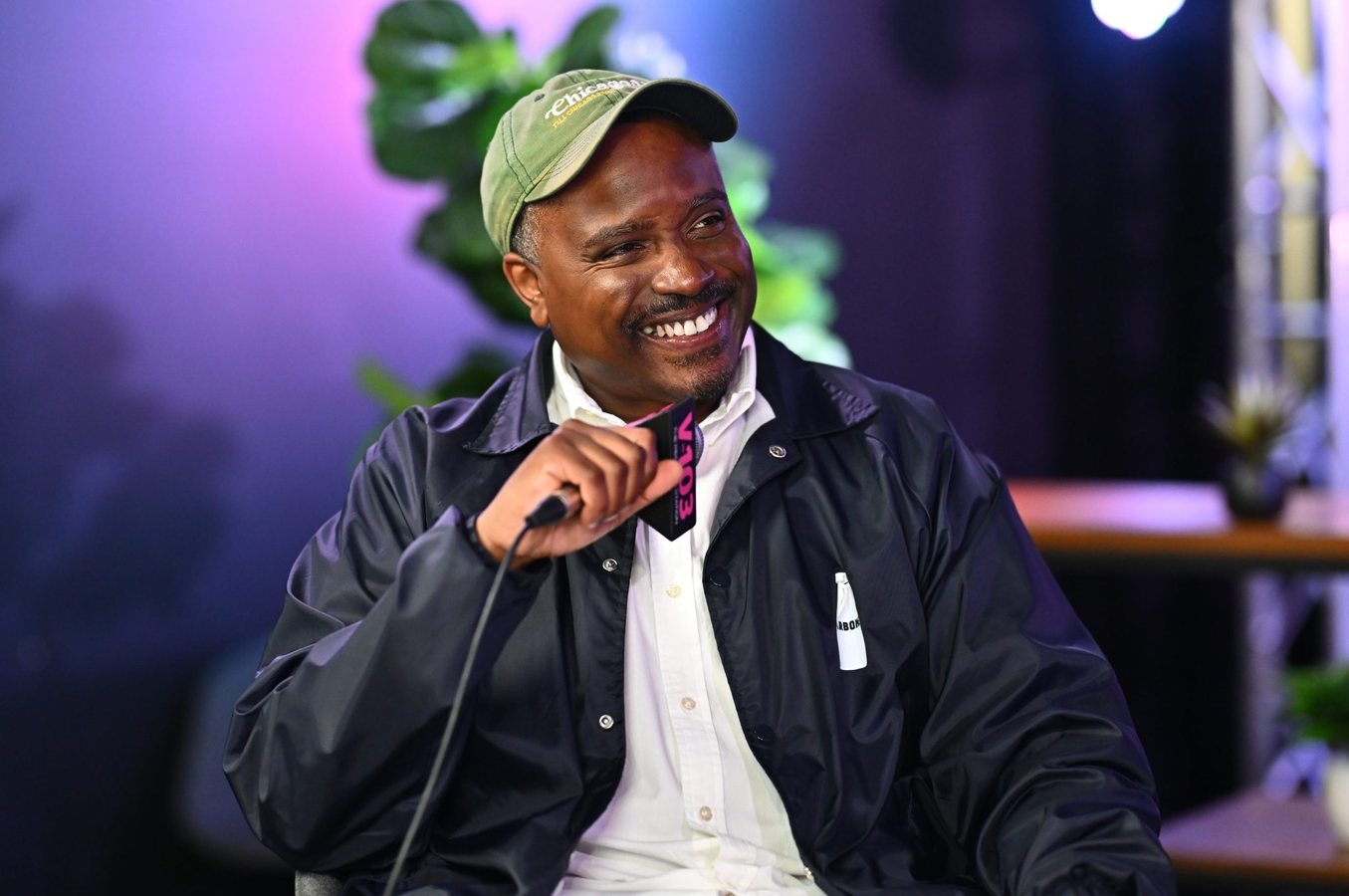
When Disney offered 13-year-old Jason Weaver $2 million to sing as young Simba in The Lion King, his mother said no. Instead, Marilyn «Kitty» Haywood negotiated for roughly $100,000 upfront plus royalties — a deal that is still paying her son more than three decades later.
Weaver, now 47, recalled the decision in a 2019 interview that has recently resurfaced and gone viral on social media. He said the $2 million offer was designed to buy him out of any future claim on the film's earnings. «When they offered that deal, it was really just to take this money and go,» Weaver said. «I think they knew and forecasted that they were gonna make a lot of money.»
At the time, the offer was enormous for a teenager from Chicago. Weaver said his biggest paycheck before The Lion King was about $80,000 for playing a young Michael Jackson. «That amount of money to an average middle-class family in Chicago in the early 90s… that's something,» he said. But his mother, who also managed him, saw a longer game.
Haywood had noticed that Disney kept re-releasing its animated classics in theaters decade after decade, a practice that began with the 1944 reissue of Snow White. She also recognized that the studio was on a creative and commercial roll, coming off the success of Aladdin and Beauty and the Beast. «She was able to see the playing field and go, wait a minute, this is gonna make a lot of money over time, so what happens when my son turns 40?» Weaver recalled. «And sure enough, she was absolutely right.»
The ask was risky. Weaver said Disney was not offering royalty deals to newcomers at the time, reserving such arrangements for «established huge pop stars.» But Haywood was not new to entertainment. She had sung with the Chicago group Kitty & the Haywoods and backed Aretha Franklin, and she understood that a first offer is rarely a final one. If Disney was willing to put $2 million on the table immediately, the film was clearly worth far more.
That calculation proved correct. The Lion King has since grossed nearly $1 billion at the box office, while its 2019 remake pulled in more than $1.6 billion. The franchise expanded into theme parks, dolls, T-shirts, video games, and countless other products. «Hundreds of, if not billions of dollars that they made off of this franchise,» Weaver said. Against that backdrop, he added, $2 million looks small.
Weaver has acknowledged that as a teenager he probably would have spent the millions quickly. «I wasn't thinking about a portfolio, or diversifying,» he said. The royalty structure gave him an income stream that has continued whether or not he is working. «When I got my first royalty check, me and my mom thought it was a mistake,» he recalled. «Even nowadays, when I get a check, it's like… yes!»
After The Lion King, Weaver built a career across television, film, and music. He starred in the sitcoms Thea from 1993 to 1994 and Smart Guy from 1997 to 1999, playing Marcus Henderson. His film credits include Drumline, The Ladykillers, and ATL, with more recent roles in The Chi and Sistas. He also kept singing: his debut album, Love Ambition, was released on Motown in 1995, and in 2004 he featured on Chingy's «One Call Away,» which peaked at No. 2 on the Billboard Hot 100.
Weaver has not disclosed his net worth or the exact amount his Lion King royalties generate, but estimates place his wealth between $4 million and $7 million. Even at the lower figure, that is about double the $2 million his mother turned down. He said the royalties can be passed down to his children and their children after them. «Honestly that income, that residual income that I generate — man that is so helpful,» he said.
Looking back, Weaver credits his mother's foresight with protecting his long-term interests. «If she hadn't done that, that would have been one of the biggest mistakes of my career,» he said. The decision turned a one-time payment into a legacy that continues to pay out more than 30 years after a 13-year-old stepped into a recording booth to sing «I Just Can't Wait to Be King.»
7