Dolly Parton dies at 80, leaving a songbook and a civic legacy
The Tennessee songwriter became a global star without abandoning her Appalachian roots, then turned fame into a literacy program that reached millions of children.
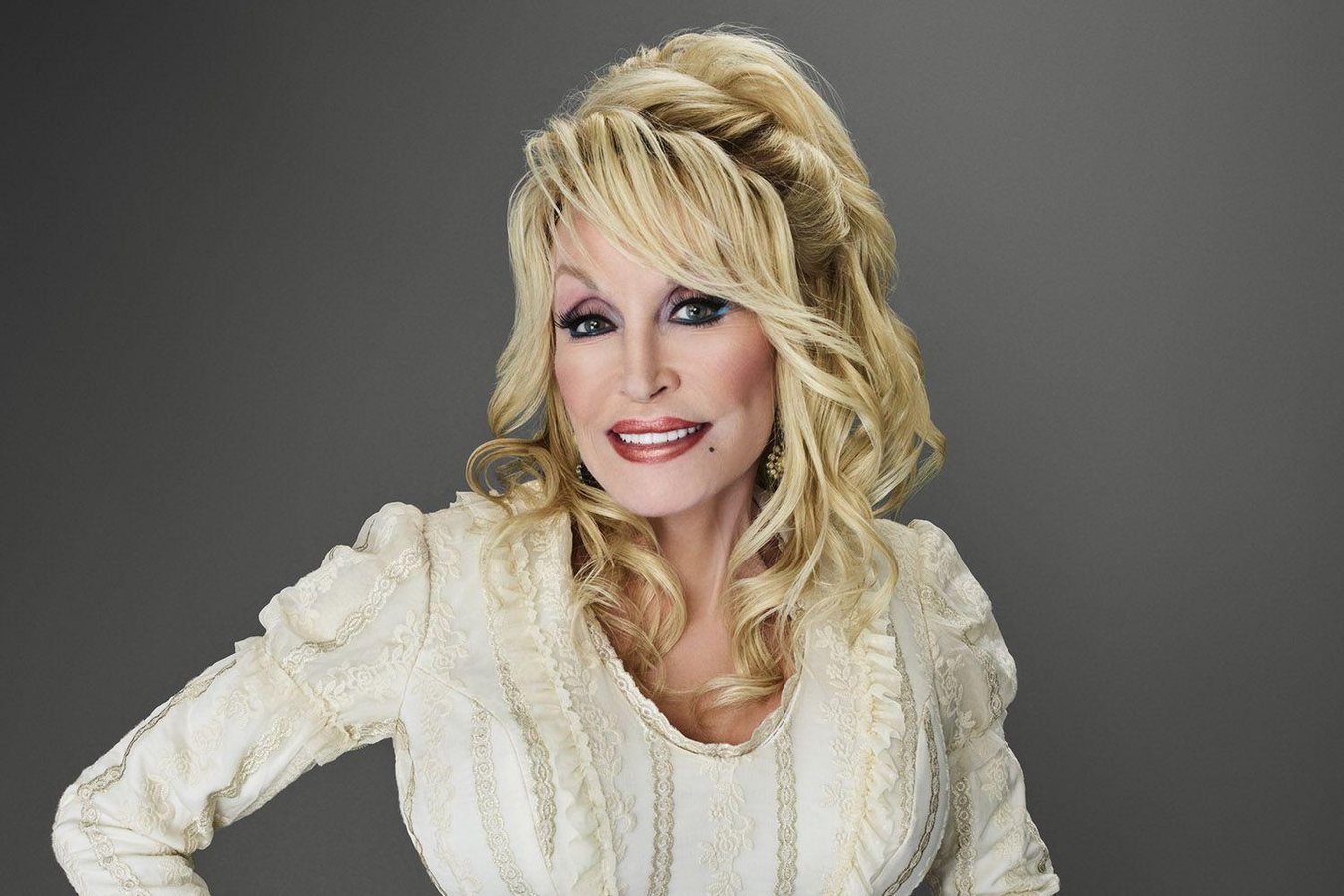
Dolly Parton, the singer-songwriter who carried the sound and stories of rural Tennessee into country music, pop culture, Hollywood and philanthropy, has died at 80. Her family announced her death on August 25 through her nephew Brian Seaver. A cause of death was not immediately made public.
Parton was already one of the most recognizable figures in American entertainment, but the wigs, rhinestones and quick one-liners sometimes obscured the skill that made the image possible: she was an unusually disciplined songwriter. Her best-known songs could be direct enough to remember after one listen and detailed enough to feel like short stories. “Jolene” turned jealousy into a plea addressed to another woman. “Coat of Many Colors” transformed a childhood humiliation into a story about dignity. “I Will Always Love You” made a professional goodbye sound like an intimate farewell. “9 to 5” gave a working-woman comedy an anthem about the frustrations of the office.
That range is the clearest answer to why Parton became famous far beyond country music. She could write for a traditional country audience while making emotions legible to people who had never been near Nashville. Whitney Houston’s 1992 recording of “I Will Always Love You” proved how far one of Parton’s songs could travel without losing its emotional core. By the end of Parton’s career, more than 100 million records had been sold in her name.
Her story began far from that scale. Dolly Rebecca Parton was born on January 19, 1946, in Locust Ridge, Tennessee, the fourth of 12 children. The family had little money, and Appalachian music was part of daily life. Her mother sang church music and old ballads. Her uncle Bill Owens encouraged her talent, helped her get a guitar and opened early doors. By age 10 she was appearing on radio and television in Knoxville. At 13 she sang at the Grand Ole Opry.
The day after finishing high school in 1964, Parton headed for Nashville. Her first major national platform came in 1967, when she joined “The Porter Wagoner Show.” The partnership made her familiar to a broad country audience, but Parton was determined to become a solo star. Her departure from Wagoner’s orbit was emotionally complicated, and she wrote “I Will Always Love You” as part of that separation. The song later became one of the strongest examples of her ability to turn a specific moment into something universal.
Parton did not stay inside one lane. She crossed into pop, starred opposite Jane Fonda and Lily Tomlin in the 1980 film “9 to 5,” and appeared in movies including “Steel Magnolias.” She also built businesses around the identity she had created, most famously Dollywood in East Tennessee. The Rock & Roll Hall of Fame, which inducted her in 2022, has described her as a businesswoman who pushed standards of artistic control as well as an artist who moved confidently across genres.
The awards accumulated: induction into the Country Music Hall of Fame in 1999, the Rock & Roll Hall of Fame in 2022, and 10 Grammy wins from 55 nominations, according to the Recording Academy. Yet one of the most durable measures of her public life may have nothing to do with trophies.
In 1995, Parton started the Imagination Library in her home county. Her father could not read or write, and she wanted children to grow up with books in their homes. The program eventually expanded across the United States, Canada, the United Kingdom, Australia and Ireland. By June 2026, it was sending more than 3.5 million books a month and had distributed more than 325 million books.
That combination helps explain Parton’s unusual place in American life. She was a celebrity who understood spectacle, a songwriter rooted in working-class experience, a shrewd owner of her own identity and a philanthropist who built an institution designed to outlast her. The blond hair and sequins made her instantly visible. The songs and the books made the visibility mean something after the stage lights went down.
66