Villa Vie Odyssey lender takes ship from residents as fuel costs soar
The lender that took possession of the Villa Vie Odyssey, a cruise ship marketed as a permanent residence, now controls the vessel after it sailed from Cambodia with only its crew aboard, leaving more than 200 residents to find their own way home.
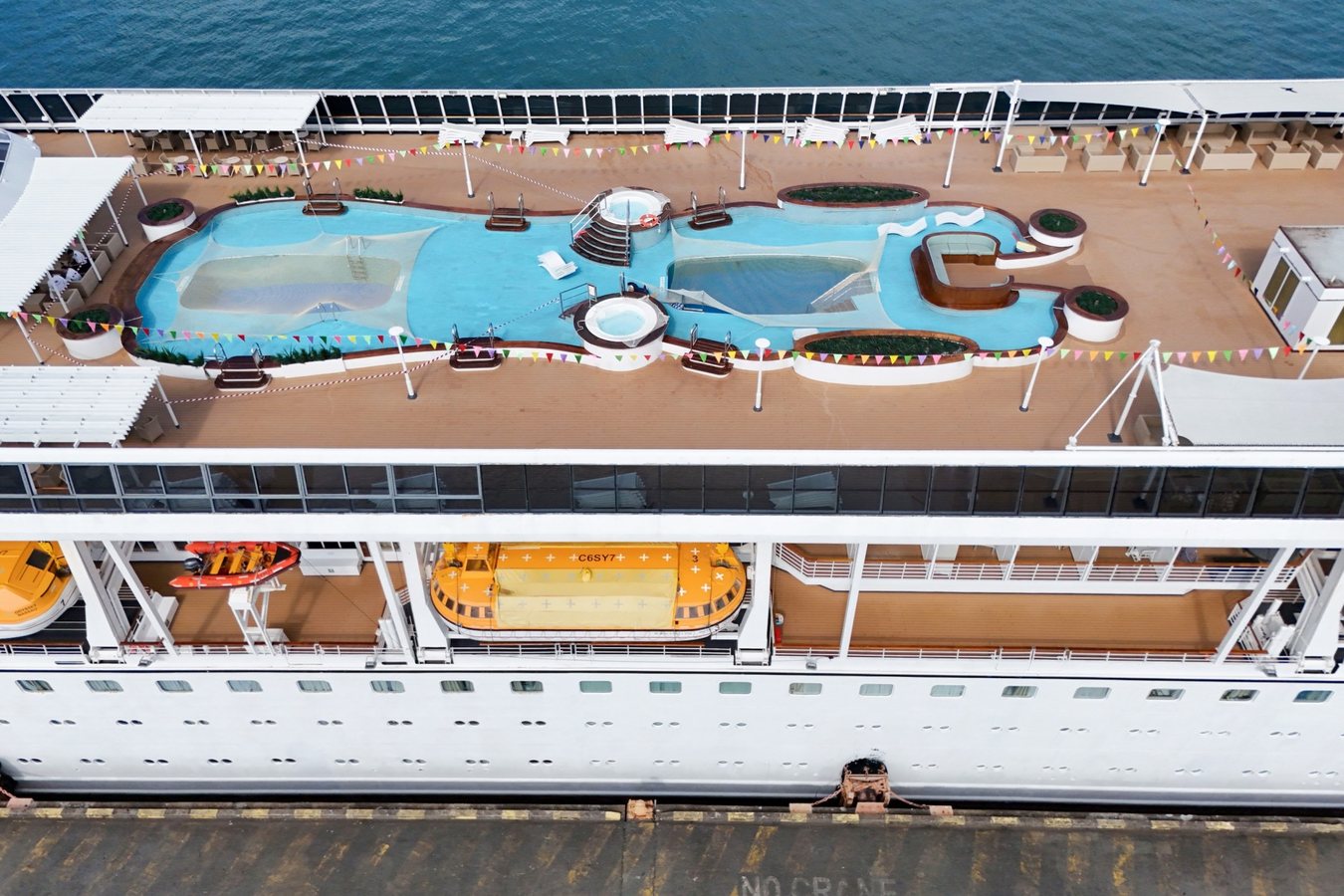
A cruise ship marketed as a permanent home for its residents has left Cambodia with only its crew on board, after its operator collapsed under the weight of rising fuel costs and the lender that holds the vessel took control of it. The Villa Vie Odyssey departed Sihanoukville and is reportedly bound for Singapore, and residents who had paid for long-term cabins were given roughly eight hours' notice to leave on October 27.
According to a Cambodian official, 203 passengers and 156 crew members were aboard the ship before its departure. Most of the residents were American. The company behind the vessel says the war involving Iran has driven up the cost of running the ship to a level it could not sustain. Monthly fuel costs per cabin reportedly rose from about $1,800 to between $6,000 and $8,000, a jump that the company said made the business model unworkable.
The ship was sold to residents as a 'forever home,' with cabin prices reaching as high as $319,998 for four-year stays. The vessel was 754 days into a planned round-the-world voyage when it departed Cambodia. Mechanical delays had earlier kept it in Belfast until October 2024, and the schedule was disrupted from there. In July, the company said 85 percent of the Odyssey's residences had been sold, a figure that did not prevent the financial strain from building.
The lender now pays for the crew, fuel and upkeep of the ship. The company has said it plans a restructuring and has about 60 days to raise money, and it has acknowledged that a Chapter 11 bankruptcy filing may be necessary. A possible future auction of the vessel has also been mentioned. Founder Mikael Petterson has blamed the war for the collapse and has described himself as 'the villain' in the episode.
Residents' accounts vary. One Maui couple sold their business to live aboard, a move they documented on YouTube. They say they are financially stable and plan to travel through Southeast Asia. Other residents reportedly lost life savings and retirement funds tied to their purchases.
The fuel pressure behind the collapse is tied to a broader energy shock. Brent crude jumped from about $70 a barrel to above $100 after strikes on February 28, peaked above $126 this spring, and has since fallen back below $100. US regular gasoline averaged $4.10 a gallon on November 4. Between March and October, American consumers paid roughly $160 billion more for fuel than they otherwise would have, and Moody's estimates the war's costs average nearly $2,000 per US household.
Source: fortune.com
6