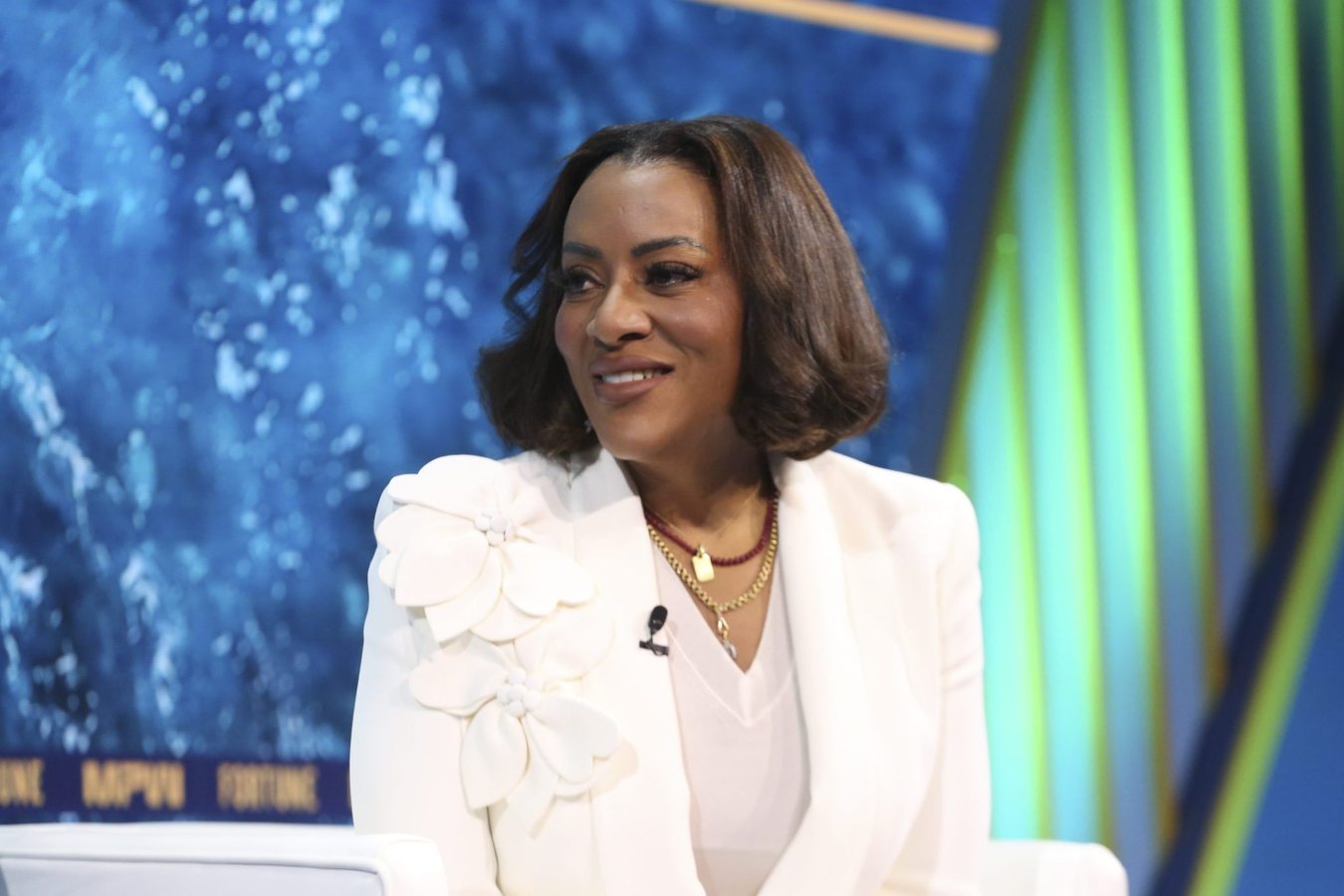
Lumen CEO Kate Johnson and EY's Janet Truncale Turn Breakfast Encounter Into Strategic CEO Partnership
At the Fortune Most Powerful Women Summit, Lumen CEO Kate Johnson and EY CEO Janet Truncale described how a spontaneous breakfast meeting grew into a friendship and a business alliance, with about 25% of EY's $57 billion in global revenues coming from alliance and ecosystem partners.
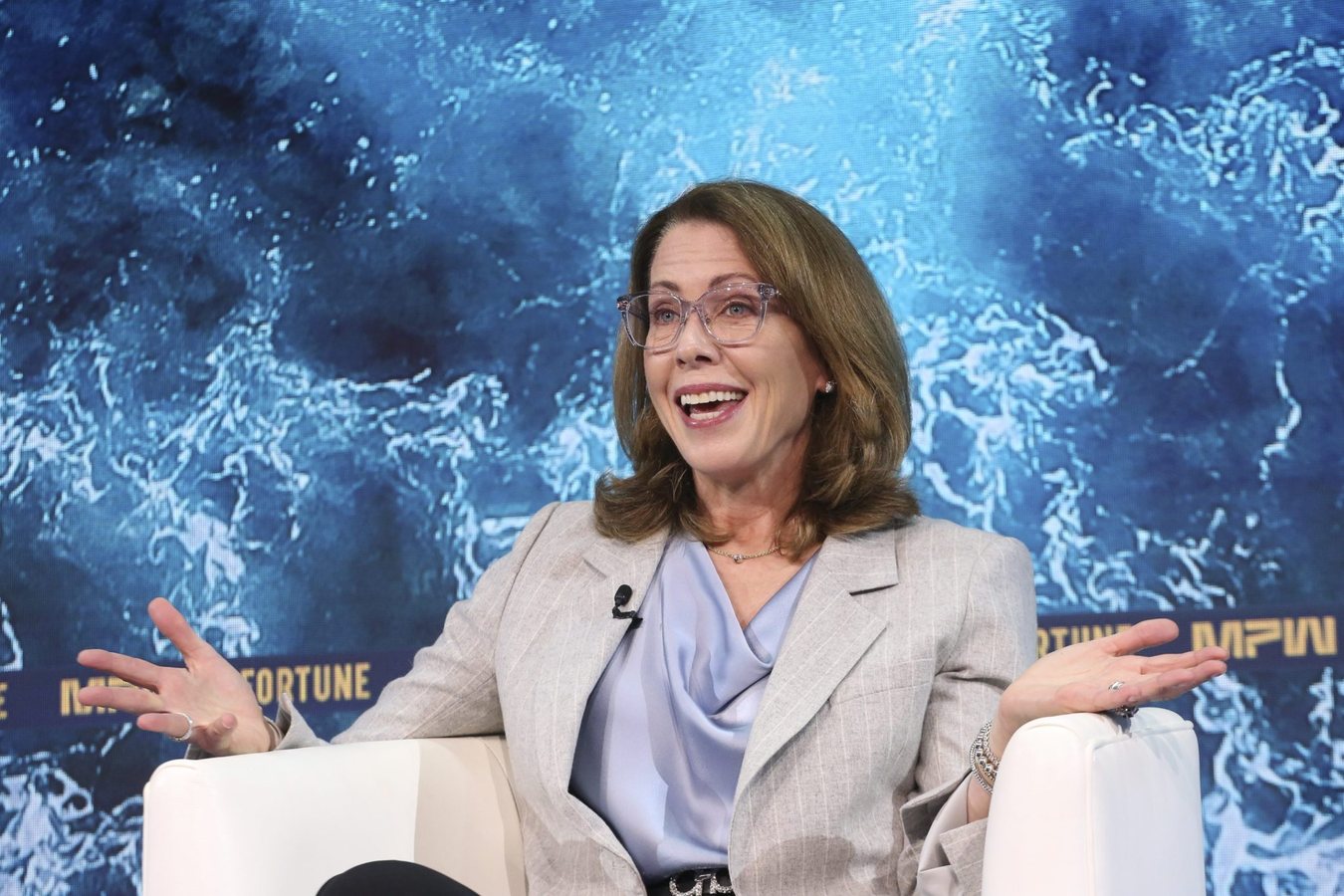
A spontaneous breakfast encounter between two corporate leaders has grown into a friendship and a strategic business partnership that both chief executives now cite as a model for how personal connection can drive professional results. Lumen Technologies CEO Kate Johnson and EY global chair and CEO Janet Truncale recounted the origins of their relationship on stage at the Fortune Most Powerful Women Summit, describing how a simple gesture at a Business Roundtable event a few years ago led to a lasting bond.
Johnson said she spotted Truncale eating breakfast alone at the gathering and decided to introduce herself. «I sat down next to her and I said, ‘Will you be my best friend?’» Johnson recalled. «I was looking for connection so I could have a better day.» Truncale, who was then new to the top job at EY, immediately agreed. She also remembered Johnson showing her where to place her name tag to mark her spot at the table, a small but practical kindness at an event where attendees rush to claim their places early.
That initial camaraderie deepened over time and changed how Truncale approaches similar gatherings. «In the last two years, I’ve frankly tried to pay that forward, so when there are new CEOs, I try to reach out and say, ‘hey, I’ve just been through this,’» she said. The friendship remained largely private, to the point that colleagues initially assumed the two leaders did not know each other when EY won a deal to help transform Lumen’s network inventory.
Both executives describe themselves as introverts, a trait they suggested is common among chief executives. Yet their partnership illustrates how personal trust can translate into corporate collaboration. Johnson framed the relationship in pragmatic terms, noting that mutual respect and confidence in each other’s capabilities matter more than simply liking one another. «Liking each other isn’t nearly as important as respecting and trusting each other’s capabilities,» she said. «I’m a capital allocator. I allocate human and financial resources, and there’s no way on earth I’m ever going to have enough of either, so I partner for expertise.»
The business dimension of the relationship is substantial. Truncale said about 25% of EY’s $57 billion in global revenues last year came from work generated through alliance and ecosystem partners. She argued that leaders must be comfortable with their own strengths and willing to partner to gain expertise. «That is not a sign of weakness, it’s a sign of strength,» she said. «Those who figure out how to combine those capabilities with confidence are the ones that are going to reach their ambition sooner and further and grow faster.»
The conversation at the summit also highlighted a broader theme: the role of personal connections in enabling deeper trust and more innovative ways to get results. Other executives echoed the idea. Logitech CEO Hanneke Faber spoke on a panel about the importance of bringing not just skills but a network to a corporate board. Sam’s Club CEO Latriece Watkins told a colleague that «when I feel most powerful is when I see the people I’ve invested in make moves.» Olivia Walton is investing $100 million in partnerships aimed at halving America’s maternal mortality rate, telling the audience that «everybody wants healthy families.»
Johnson’s approach to leadership extends beyond the stage. She maintains a blog called «Daring Diaries,» where she writes about the human side of leadership. The summit also featured planned fireside chats with ADP CEO Maria Black, Revathi Advaithi of Flex, and Silicon Valley veteran Marissa Mayer, underscoring the event’s focus on women in top corporate roles and the networks that support them.
For Johnson and Truncale, the partnership that began with an impulsive question at breakfast now serves as a case study in how personal connection can open the door to professional collaboration. Their story arrives at a moment when women’s share of C-suite and board roles has stalled, making visible examples of female executive friendship and alliance particularly notable. The two leaders show that a moment of vulnerability, paired with mutual respect, can yield both a trusted confidante and a valuable business ally.
5