Lovable shows how frontline staff can build their own software with AI
Lovable's chief people officer says companies should let employees act on good ideas, citing a front desk coordinator who built a visitor check-in tool in an afternoon and survey data showing most good ideas get dropped.
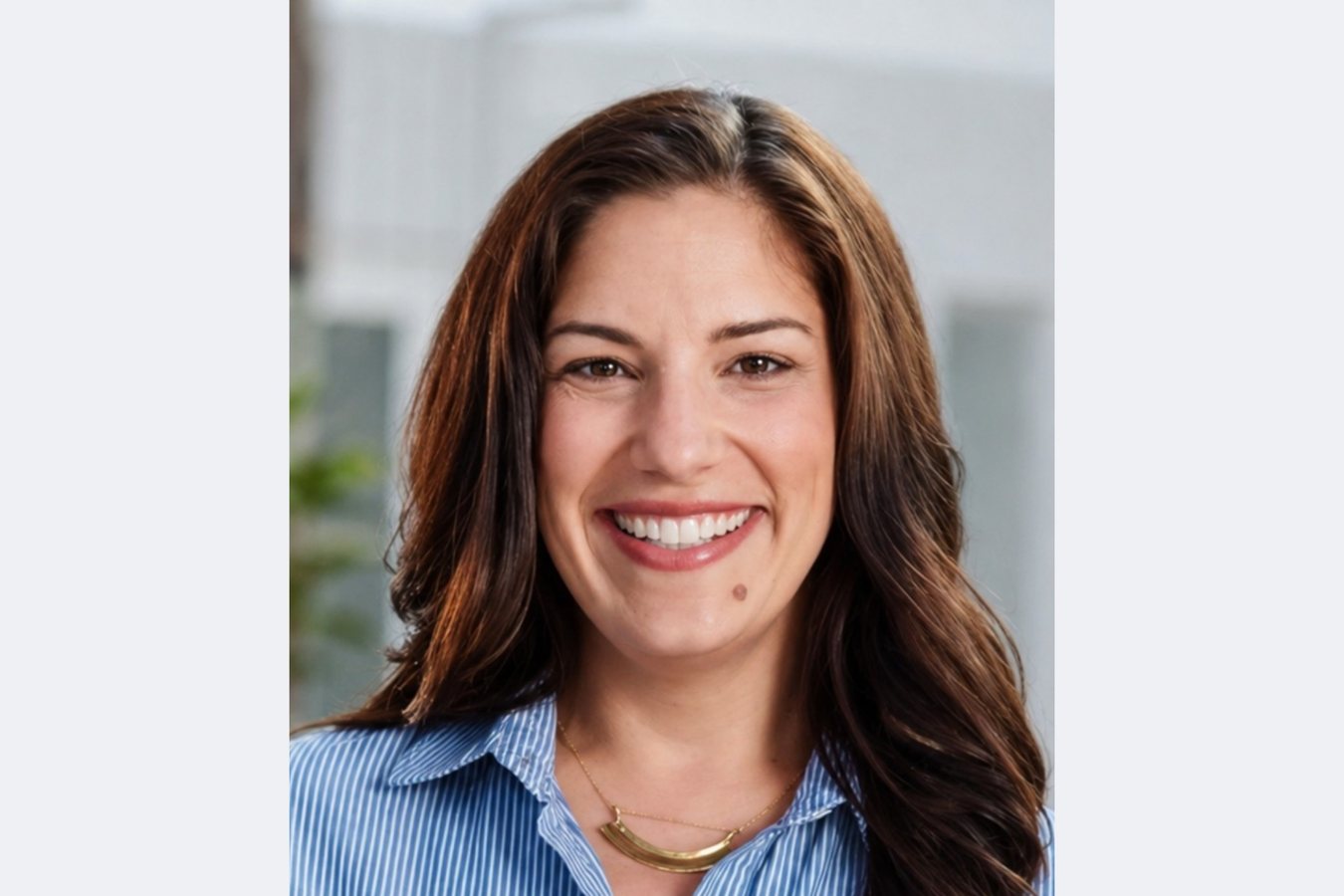
Lovable's chief people officer is arguing that companies can keep their best ideas alive by giving employees the tools and permission to build them, and the company's own experience offers a concrete example. A front desk coordinator used AI to build a visitor check-in software in a single afternoon. The tool alerts hosts in Slack when guests arrive, handles nondisclosure agreements, syncs with calendars, and counts guests so the office can plan lunch.
The example is central to the company's broader case about why good ideas go unused. Lovable cites its own survey data showing that 68 percent of business owners and senior leaders say good ideas at their organizations have been dropped. The most common reason, according to the findings, is that no one with the right skills, time, or budget was available to pursue them. The chief people officer's argument is that AI tools have shifted that equation, allowing people without engineering backgrounds to turn an idea into working software.
Lovable is two years old, and it was founded on the principle of letting anyone act on a good idea. That principle shapes how the company hires and onboards. Its advice is to hire for curiosity, judgment, and domain expertise rather than familiarity with a particular tool, since tools change quickly while judgment and subject knowledge carry over. New hires receive credits and a starter brief before their first day. They then spend about two hours building something on their first day alongside an experienced colleague. Lovable says about 90 percent of new employees ship a first contribution within their first week.
The chief people officer also urges leaders to stop acting as bottlenecks on small process improvements. Rather than approving every change themselves, managers should look for employees who behave like intrapreneurs and give them time and room to fail. The company points to examples from other organizations to show the approach at scale. At Pendo, nearly 300 employees built more than 1,400 apps in under five months. The data team there keeps governance responsibilities, while frontline leaders shape the final 20 percent of each tool. At Nursa, a vice president built a new business line within days, and more than 200 employees were encouraged to build. One Nursa credentialing tool is estimated to save six months of work and about half a million dollars.
Lovable's own People team built a live headcount planning view that saves the team about 10 hours a week. The company offers several cautions alongside these examples. Leaders should set data access rules first, name owners for each tool, and avoid building duplicate tools that do the same job. The chief executive presents a weekly "super glue" award to recognize builder work that would otherwise go unnoticed. Leaders should also test their own AI tools before asking their teams to adopt them. Lovable pairs its functional teams with Applied AI partners to rethink workflows from scratch.
The company acknowledges a tension in flat organizational structures. Autonomy without shared direction can lead to duplicated work and scattered effort, so the people who lead such companies need to set clear goals even as they loosen control over how those goals are met. The argument is one of balance: give employees the means to build, but keep the company pointed in one direction.
The views are supported by a survey conducted by Censuswide among 2,000 US respondents between October 29 and November 4, 2026. The sample included at least 250 small business owners and at least 250 mid-market leaders. The findings give the company's recommendations a broader frame, suggesting that the problem of abandoned ideas is common across organizations of different sizes.
Source: fortune.com
20