
Casey’s ranks as America’s fifth-largest pizza chain, Bank of America finds
Casey’s, the Iowa-based convenience store and gas station chain, has quietly become the fifth-largest pizza chain in the U.S. by prepared food sales, according to Bank of America Research. With nearly 3,000 stores concentrated in small Midwestern towns, the Fortune 500 company is now eyeing Texas for expansion.
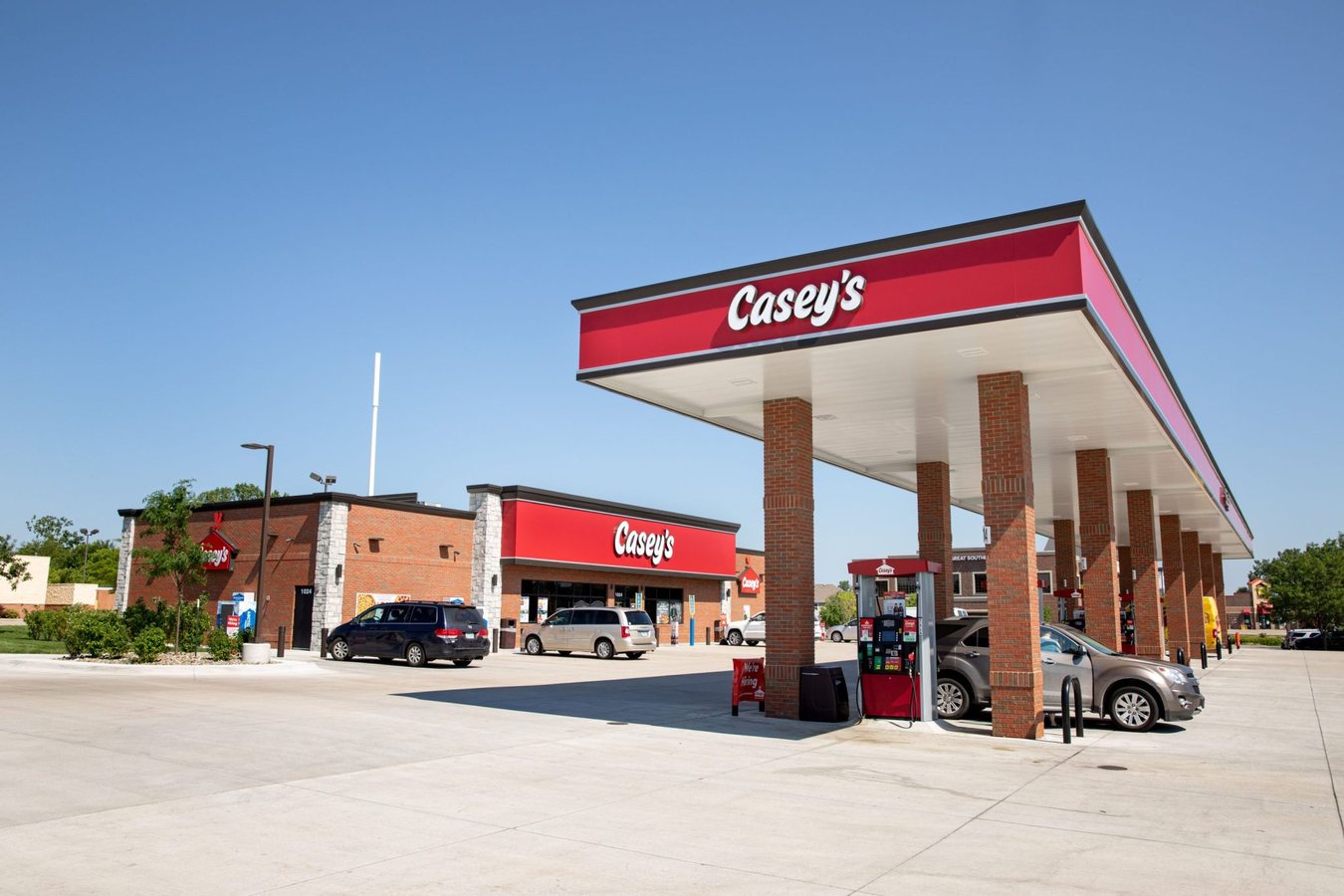
Casey’s, the red-roofed convenience store chain that Midwesterners know for diesel, ice, lottery tickets and hot pizza, has quietly become the fifth-largest pizza chain in the United States. Bank of America Research reached that conclusion after measuring prepared food and dispensed beverage sales, and the company’s chief merchandising officer confirmed the ranking to Fortune. The Iowa-based Fortune 500 company also holds the title of fourth-largest liquor license holder and third-largest convenience store in the country.
The pizza business is a growing force within the company’s broader operations. Casey’s stock has climbed more than 50% over the past 12 months, giving the chain a market capitalization of roughly $28 billion. The company is closing in on 3,000 stores, with nearly half located in towns of 5,000 people or fewer and about two-thirds in communities under 20,000 residents. That small-town focus has created what Wall Street calls a defensible moat, since most national competitors avoid developing sites in such small markets.
Pizza has been on the menu since 1984, and the breakfast pizza — a combination of sausage gravy, egg and cheese — joined about two decades later. The chain makes its dough from scratch and bakes pizzas in on-site ovens, a detail that has fueled a growing genre of social media content. TikTok and YouTube creators frequently feature Casey’s in videos about gas-station pizza, often expressing surprise at the quality. The company says its penetration among Gen Z consumers has climbed 600 basis points over the past three years based on engagement metrics.
Tom Brennan, Casey’s chief merchandising officer, said the brand’s appeal rests on decades of consistent quality rather than algorithmic trends. He described Casey’s as a gathering spot for the communities it serves, noting that the company continues to add new offerings. Sauced Wings, which began as a pilot in January 2025, have expanded to nearly 900 stores and will continue rolling out across the chain over the next two years.
The company’s origins trace back to 1968, when Donald Lamberti opened a converted service station in Boone, Iowa. Brennan said Lamberti’s strategy was simple: move from one small town to the next, building stores where other brands would not bother to compete. That approach has allowed Casey’s to avoid the headwinds affecting the broader pizza industry. The roughly $31 billion quick-service pizza category turned negative in 2025 after barely growing the prior year, and The Wall Street Journal reported in January 2026 that Americans appeared to be losing their appetite for pizza.
Casey’s sees a different picture. Brennan noted that about half of the company’s stores have no national pizza competitor within a competitive radius, meaning the chain is often introducing a product that was previously unavailable in those towns. The company also keeps prices below the prevailing market rate. Citing inflation data, Brennan said food away-from-home prices have risen about 14% over the past three years, while Casey’s prepared food and dispensed beverage business is up only 5%. Bank of America estimated that prepared food and beverages carried a gross margin of roughly 58% in fiscal 2025, more than double the company’s overall margin of about 23.5%.
Brennan describes the business model as a three-legged stool, with food, convenience and merchandise supporting one another. Pizza is the crown jewel of the food operation, but the brand works best when all three segments function together. The next frontier is Texas. Iowa has about 3 million people and 550 Casey’s stores, while Texas has roughly 30 million residents and significant room for growth. Brennan pointed to small towns along the Interstate-35 corridor as prime territory, saying the company views the state as Casey’s country.
73