Bezos Credits Two-Word Mantra for Amazon's Rise to Global No. 1
Jeff Bezos says 'customer obsession,' repeated for three decades, drove Amazon from a Seattle garage to the top of Fortune's Global 500 list, and he urges founders to find and relentlessly repeat their own defining principle.
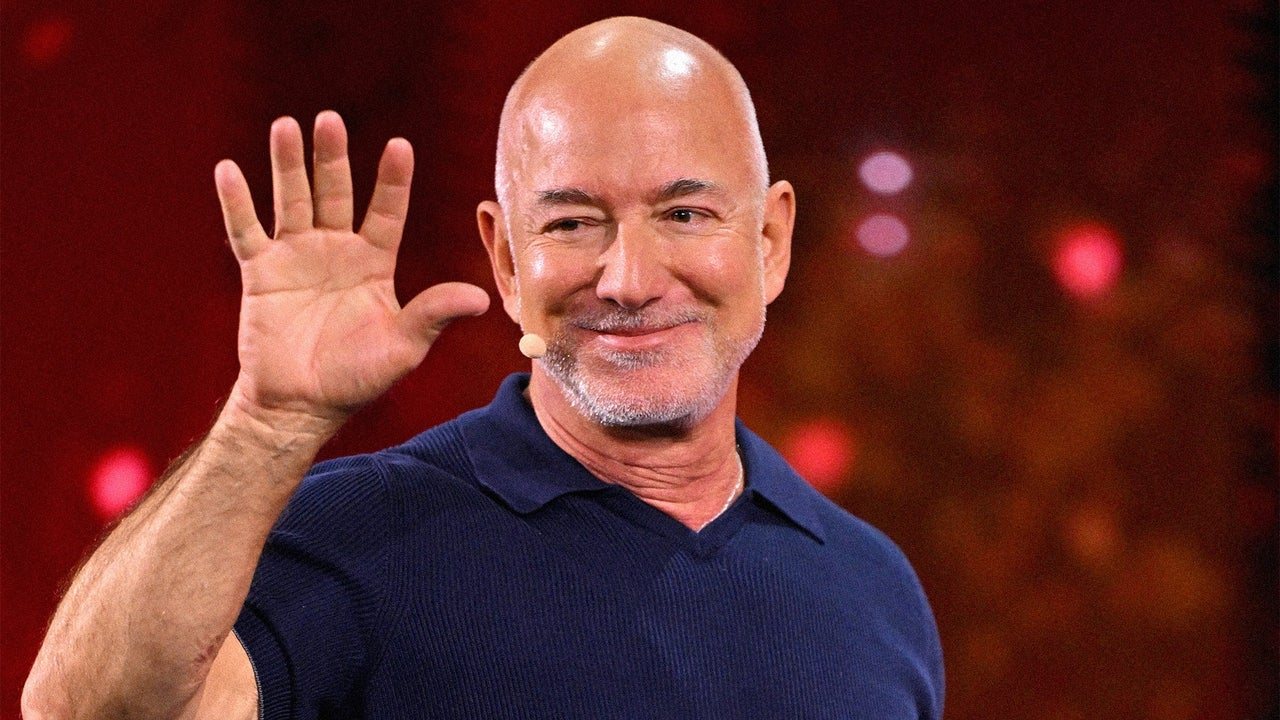
Amazon has claimed the No. 1 spot on Fortune's annual Global 500 list, which ranks companies by revenue, and Jeff Bezos is crediting a two-word mantra he has repeated for three decades: customer obsession.
In a rare sit-down interview marking the milestone, the Amazon founder reflected on the principles that drove the company's growth from a Seattle garage to the world's largest company. The conversation touched on cloud computing, robotics, logistics, and artificial intelligence, but Bezos kept returning to one overarching idea. He repeated the phrase «customer obsession» ten times in the same interview, underscoring its central role in Amazon's history and future.
According to Bezos, customer obsession is not a marketing slogan or a mission statement. It is the guiding principle behind every major decision the company has made, and it has shaped Amazon since its first day.
The mantra is not new. Bezos articulated it publicly in his first shareholder letter in 1997, and it has anchored his communication ever since. In research for The Bezos Blueprint, which examines the storytelling and communication strategies behind Amazon's growth, author Carmine Gallo analyzed all the shareholder letters Bezos wrote and published from 1997 to 2021, when he stepped down as CEO.
One of Bezos' greatest strengths as a communicator, Gallo found, was not inventing new marketing slogans but identifying the right phrase once and repeating it for decades. The 1997 letter contains 25 references to «customer,» a word Bezos went on to use more than 500 times across all his letters. By comparison, «cloud» or «cloud computing» appears just 24 times, even though Amazon Web Services is growing at what Gallo describes as a breakneck pace.
In that 1997 letter, Bezos explained why customer obsession was crucial. He said that if a company does everything with the customer in mind, it will lead to repeat purchases and word-of-mouth growth. He later wrote that customers are always beautifully, wonderfully dissatisfied, even when they report being happy and business is great. Even when they do not yet know it, customers want something better, and the desire to delight them will drive a company to invent on their behalf.
Amazon has changed and expanded dramatically since 1997. It went from a startup to an e-commerce giant, a cloud computing pioneer, and an AI company. Over decades, the technology changed, but the founding principle stayed the same.
Gallo argues that every founder needs a defining principle on repeat. Bezos played the role of Amazon's repeater-in-chief, and Gallo says every founder should take on that role because a guiding principle does not take hold on its own. It must be consistently and frequently articulated, heard, read, and understood.
For Bezos, obsessing over every aspect of the customer experience was the top job. Other founders have chosen different mantras. Herb Kelleher, the founder of Southwest Airlines, built a company with an «employee first» philosophy and took every opportunity to articulate it. «If you truly treat your employees that way, they will treat your customers well,» he once said. «Your customers will come back, and that's what makes your shareholders happy.»
John Mackey, the co-founder of Whole Foods, defined the company's organizing principle as «nourishing people and the planet.» Mackey explained that the phrase was «more than a slogan. It became our company's mantra.»
Bezos, Kelleher, and Mackey had different missions, but they used the same communication discipline: relentlessly communicating an overarching principle that guided every major decision. Gallo's advice to founders is to find a defining principle that is short enough to remember, meaningful enough to guide decisions, and important enough to repeat ten times in a single conversation.
The interview serves as a reminder that a company's guiding principle does not need to be elaborate. It needs to be repeated, understood, and lived, even when the founder is no longer in the room. For Amazon, that principle has outlasted every innovation and helped turn a garage startup into the largest company in the world.
7